Why Vertical Landscape Images?
Many people are experiencing their passion in photography based on rules that were established long ago…like which aperture is ideal for portrait photography or which shutter speed is optimal for long exposure images when in fact, all of this should be purely a matter of personal preference in your own artistic process.
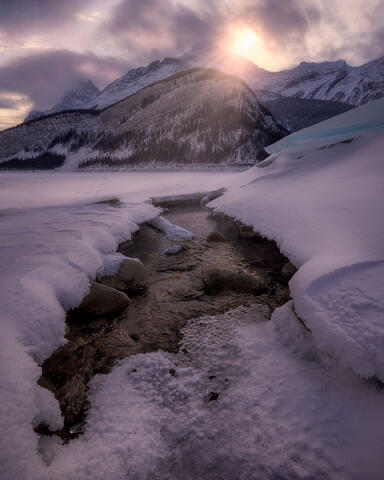
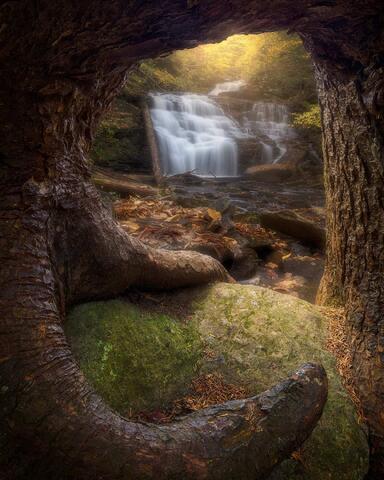
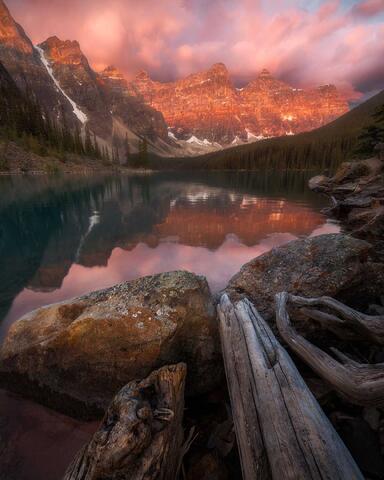
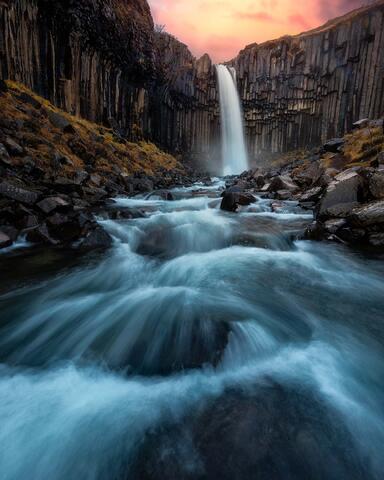
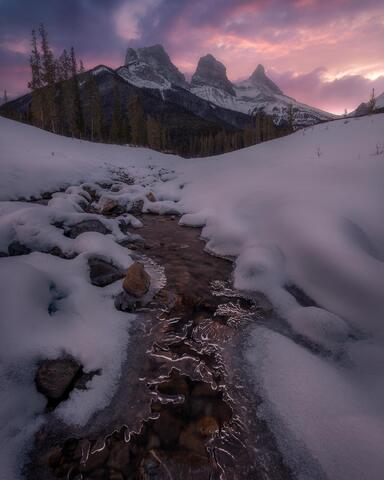
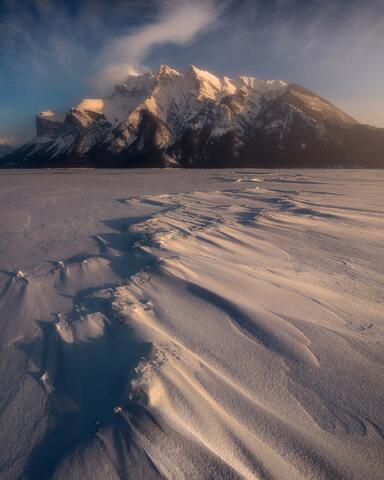
Probably the most overrated old rule is that landscape photography must be done in landscape orientation and portrait images must be captured in portrait orientation…but why? There are many reasons why we could and definitely should mix things up doing the exact opposite of what we have been taught…of which, I will mostly cover why as a landscape photographer, I enjoy capturing landscape images in portrait orientation. Rules are made to be broken, right?
NARROWER AND SIMPLER COMPOSITIONS
A vertical composition will almost always create narrower and much simpler compositions to read with our eyes. Some compositions simply won’t work in landscape orientation. Should you skip the shot? Of course not! Try flipping your camera in Portrait Orientation and give it a try! Landscape photography can quickly become messy and especially during the summer season when everything is so green. Having the opportunity to capture an image in portrait orientation will greatly help in minimizing the amount of elements. Images read just as a text or a book…if the words are all displayed in a weird way, you will loose people’s attention very quickly. Same happens for landscape photography, it is very easy to loose our audience’s attention with a badly composed image.
DEALING WITH FEWER DISTRACTIONS
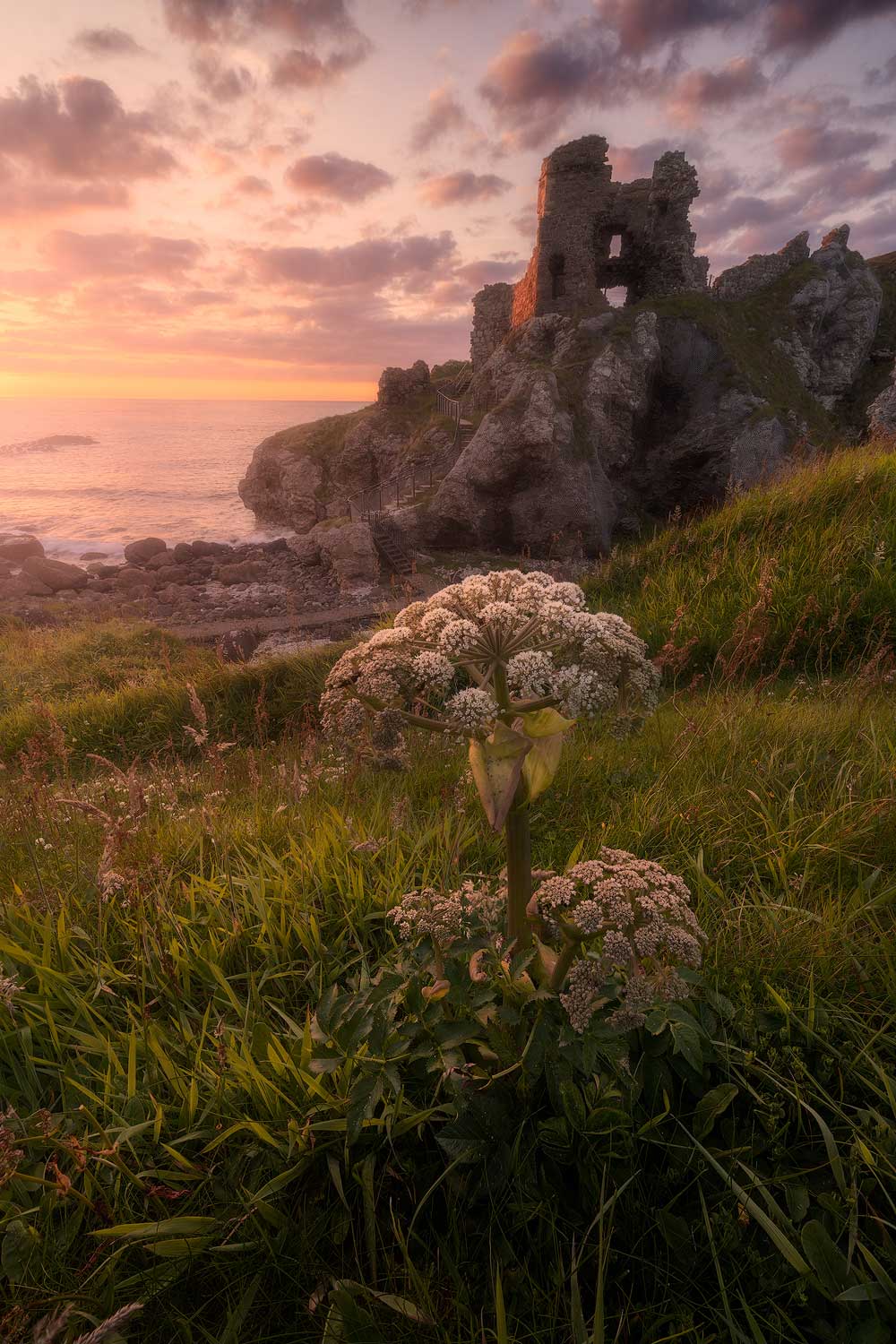
What to include and what not to include in a composition to deal with fewer distractions? Not always a simple task when photographing in landscape orientation because you might end up without a foreground very quickly. It is much easier to deal with such issues in portrait orientation since the frame is much narrower. It becomes easy to focus on what to and what not to include in the composition. The end result will always be a stronger image that will bring up the WOW factor.
TAKING ADVANTAGE OF LENS DISTORTION
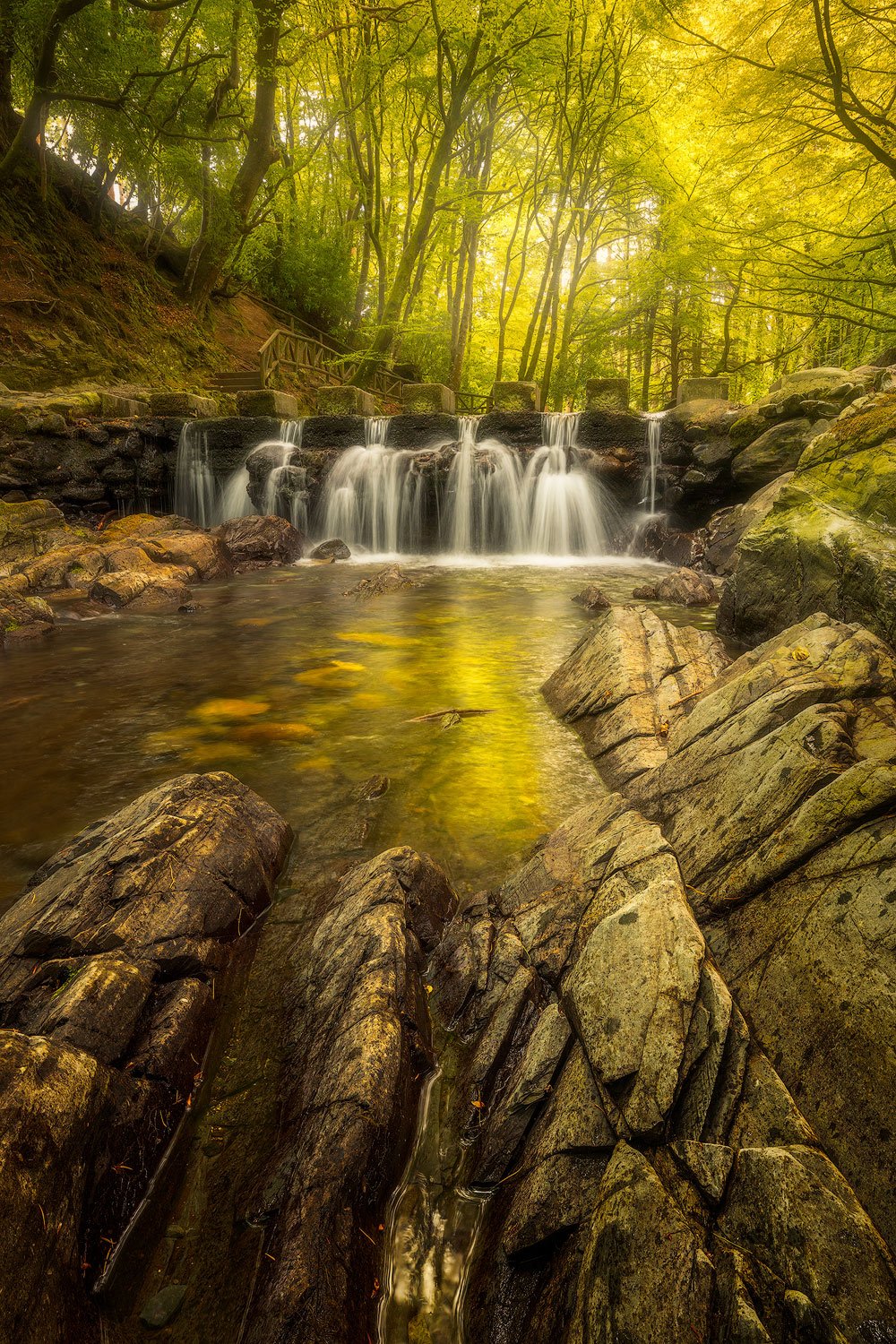
What do I mean by Taking Advantage of Lens Distortion? Isn’t lens distortion a problem? Is it bad? Of course not in the case I am about to describe here. Mostly, I capture my landscape images with an ultra-wide angle lens which can often have some strange compression in the composition. The background can often look very small…but if you position your subject in such a way that it is located in the upper third of the frame, the lens distortion will deform it a little bit and make it more present in the frame.
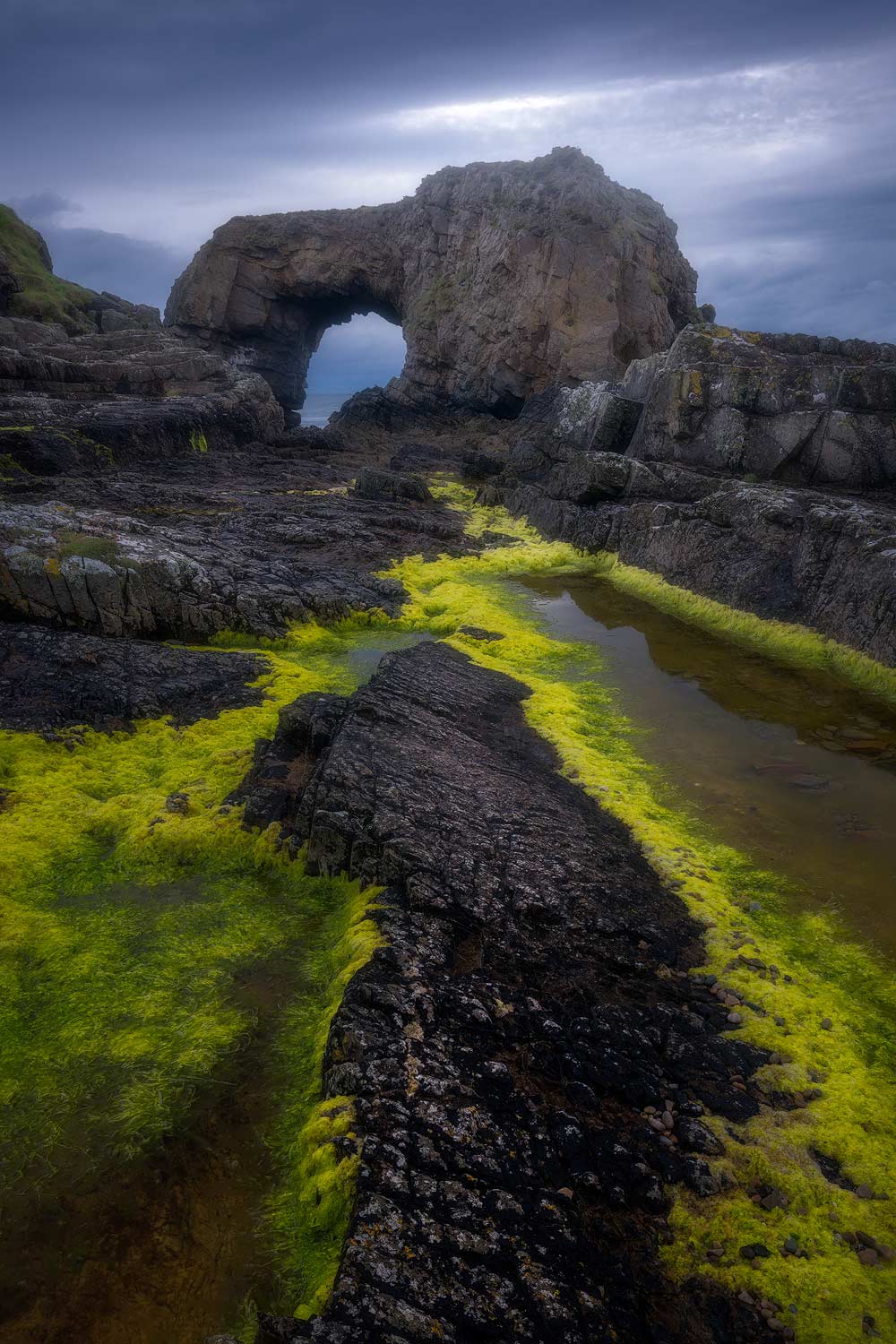
The same can happen for the foreground. If the foreground elements are very small, I like to position my camera very close to the ground in such a way that said lens distortion will emphasize it and give it much more presence. Doing so might force you to do some focus stacking because it will be mostly impossible to have everything in focus. Wondering what focus stacking is? Read my article THE ART OF FOCUS STACKING to find out what it is all about and how to do it successfully.

STRONGER LEADING LINES
The previous point is often responsible for Stronger Leading Lines in a landscape image. The lens’ distortion which I prefer to call the Lens Elongation Effect will surely help emphasize leading lines in the foreground and create much stronger images. Sometimes, small lines as short as 60 cm will look never ending thanks to the Lens’ Elongating Effect. In most situations, the general public will just walk by and not even notice those lines very close to the ground. It takes a little while to train our eyes to see them but they are everywhere…just waiting to create the most impactful foreground.
Oh...if you would like to know more about how I find strong leading for my compositions, feel free to read Finding Great Leading Lines For Your Images.
FITS INSTAGRAM PERFECTLY!
Don’t get me wrong here…that last point is purely a joke! I am far from being serious on this point even though I often joke about it! I do not create content so it fits Instagram's vertical format better. I create my Artwork in such a way that it pleases me most. I love to create content because it makes me happy. I love to create content because I truly enjoy spending time in nature while trying to understand Mother Nature’s creations… I love to create content because I am an artist. And essentially, that should also be your reason to create content. Create something because it makes you happy! Not because it fits Instagram better…and as you already know, we can also post horizontal images on Instagram.

…IN CONCLUSION
In conclusion, as I mentioned at the beginning of the article, whether you want to photograph in landscape or portrait orientation, whether you want to use a wide or narrow aperture, whether you prefer 1/2 a second to 4 minutes exposures, these are all purely creative decisions we make in the process of creating images. There is no good or bad answer…and nobody should ever tell you your choices are bad. The only reason why I shared these thoughts with you is simply to open peoples’ eyes to new horizons…to help people by giving them more tools to work with in their artistic process.
Comparing a few different camera settings or composition tips as tools might sound a bit odd but that’s exactly what they are! As many already know, I used to be a car mechanic and I had a hundred of different tools in my tool box. Each job will require a different tool. I couldn’t fix everything with a hammer or a screwdriver… Golf players have a set of clubs, but why? You can’t drive the ball from a tee-off with a putter club… Once again, different jobs require different tools. Photography, and more specifically landscape photography which is what we’ve been talking about in this article, is the exact same thing. Always remember that you have many tools in your tool box…and portrait oriented landscape images definitely is a viable option!