What You Need to Know About South West
A month ago, I returned from an absolutely amazing trip to the South West USA and here’s what you would need to know before you start planning a trip there yourself. It might seem simple but trust me, the deserts of the South West USA can definitely surprise you in every possible way you can imagine. Of course, I am not only talking about good surprises here… Some of these points might even sound a little bit dumb but are truly important to know. In my previous article, I shared a fun perspective of what traveling to the South West USA is but people tend to forget important details. Keep reading to learn more.
.
RENT A PROPER VEHICLE
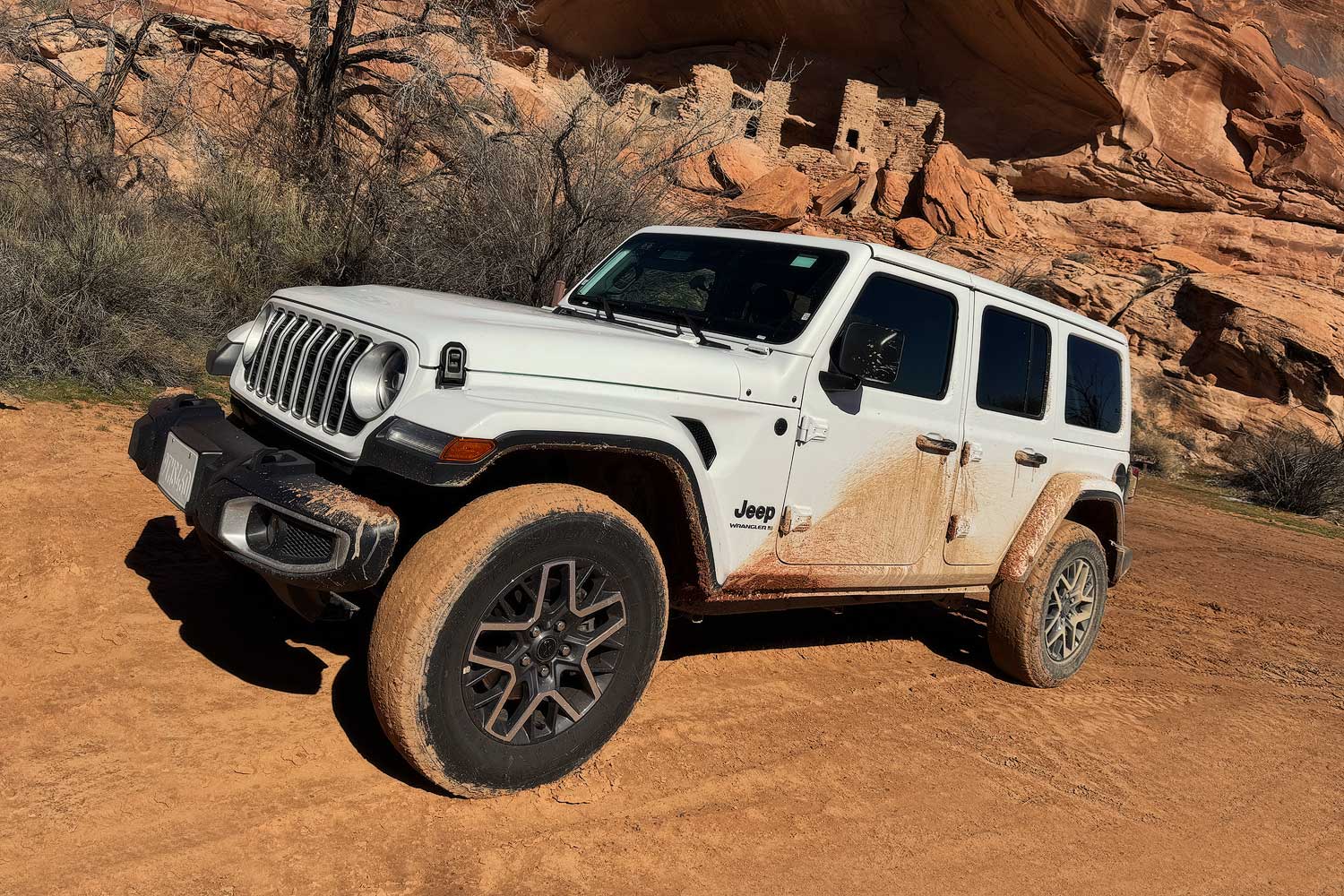
If your plan is only to visit the five big National Parks in Utah, then I would say that a regular Toyota Corolla is going to be just fine. Most roads if not all of them are paved and very well maintained. Sure, if you go during the colder months of the year, you could get a snow storm and the roads could be slippery. Simply drive slower and you’ll make it to your destination at some point.
But if your plan is to visit locations off the beaten path, you will surely need to rent a proper vehicle. Places like Vermillion Cliffs National Monument, Valley of the Gods, Toroweap only to name a few, will require a more adequate vehicle. Some of these even require a high clearance vehicle with off-road rated tires. I have Toroweap in mind…this place requires a couple of hours of driving on dirt roads with sharp rocks and the last few kilometers are almost considered like rock climbing. Trust me, the Toyota Corolla you initially planned on renting would have died a long time ago! For my latest trip, I went for a Jeep Wrangler Sahara 4 door. It was the perfect match for everything I threw at it. It took us everywhere in a breeze.
.
CARRY WATER WITH YOU
To me, it’s a no brainer that you should always carry water with you. Bring a decent sized bottle inside your backpack. Or slide it into one of your bag’s side pockets. Short hike or not, bring water. Now, the winter season is less of an issue…you won’t sweat as much in winter but during the summer season, you will sweat a lot. The South West USA temperatures can get well above 30 degrees Celsius during the summer season and even though it feels extremely hot, you won’t feel like you are sweating a lot. The air in the desert is so dry that every trace of sweat coming out of your body will evaporate almost instantly. The frist thing you will notice is that you will start feeling weak and dizzy…there you go, you are now dehydrated. It is extremely important to always keep yourself hydrated and drink a couple of sips of water often.
.
MIND YOUR STEPS
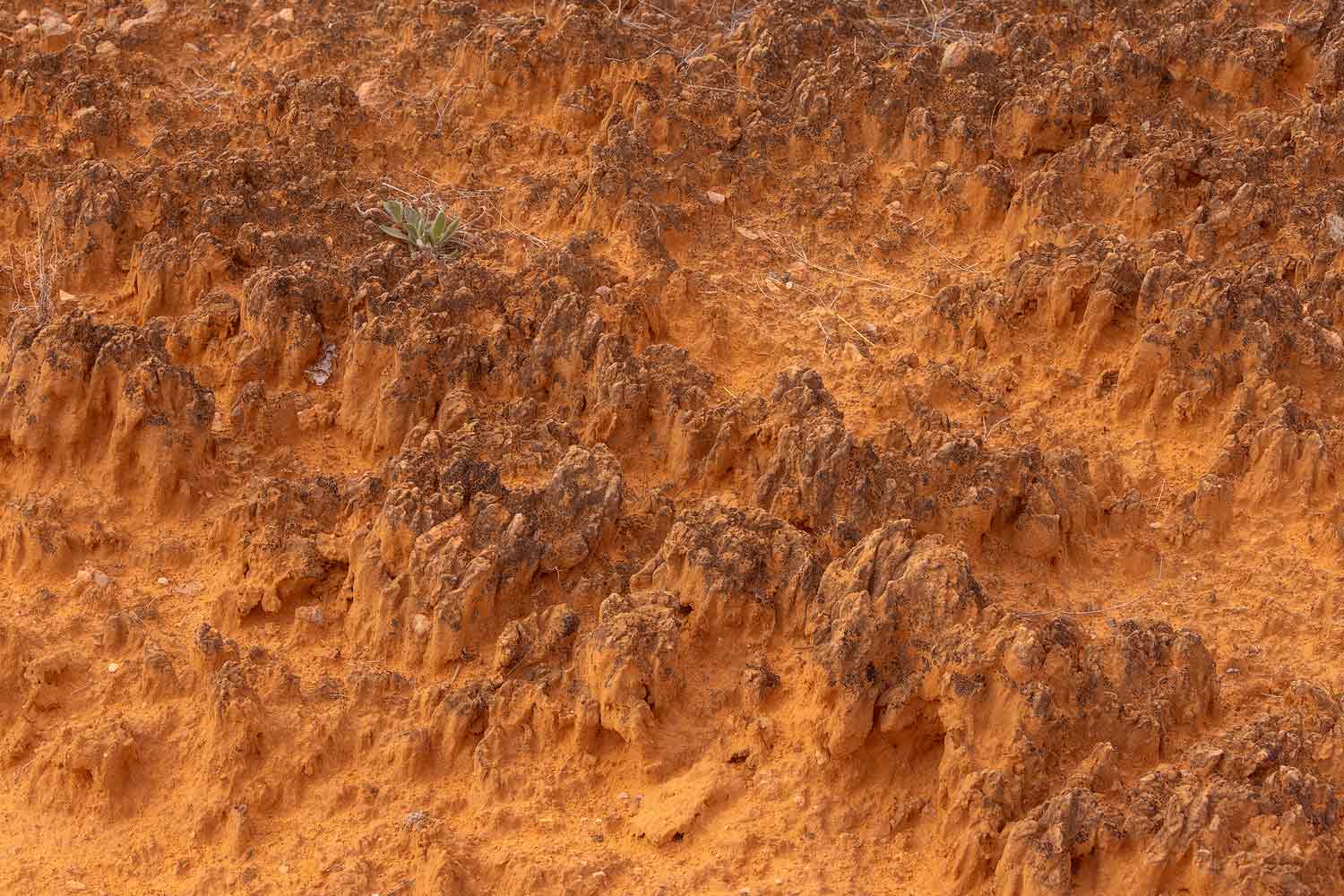
It’s always important to mind your steps when hiking in desert lands. What I mean here is avoid walking on fragile soil or crust. Cryptobiotic crust is basically the beginning of everything life related in the desert and is extremely fragile. I talked briefly about it in my previous article Undiscovered Desert Marvels but here, I will go a little further and even show images just so you know what to look for. Cryptobiotic soil, or biological soil crust, is a living, fragile crust of cyanobacteria, algae, fungi, lichens, and mosses that cover arid landscapes. It will look mostly like a colony of baby hoodoos just hanging on top of loose soil. These little formations are often darker in colour than the surrounding soil and are packed with micro organisms and life. A single footprint can take 1 to 7 years for visual recovery, but up to 250 years for full lichen and/or moss to fully recover. Its main role in the desert is to convert atmospheric nitrogen into nutrients that will eventually support desert plants. They absorb water, creating a micro-environment that increases moisture retention in the soil.
I often tell people to walk on rocks instead of loose soil which could contain cryptobiotic soil. But then again, lichen could also be forming on some north facing rocks which are shaded from the harsh sun light. This lichen, which often looks like dried out moss, is among the first form of vegetation in the desert. It has a very important role of creating acid which will eventually help dissolve rocks into soil. This lichen can vary in colour and be from bright golden to vibrant yellow all the way to light green. We should avoid stepping on it as much as possible and mostly stay on the main trails. We don’t often see a desert as being a fragile environment but it is!
.
FOLLOW THE TRAIL

Follow the trail and always stay on it. This might sound like common sense to most… The most popular locations in the National Parks are heavily visited and the trails should be for the most part very well marked or at least well tapped which makes navigating them a breeze. If you plan on hiking in less crowded areas or more specifically in the back country, then you should definitely consider using a personal tracking app such as AllTrails. It is very important not only to preserve the fragile desert crust forming on the ground as stated above…but also to safely find your way in and out of the desert.
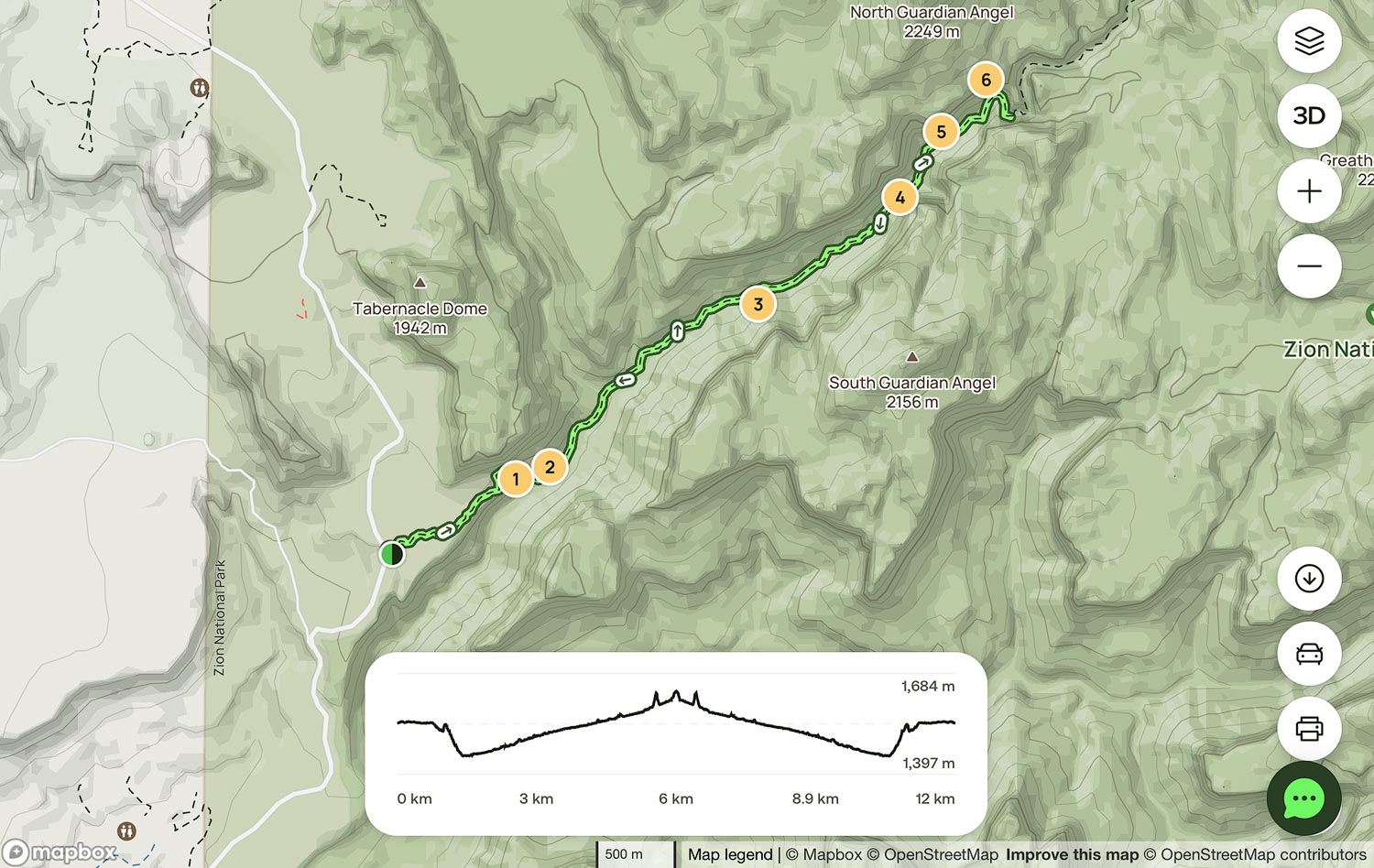
I have a phenomenal sense of orientation. I can get my way in and out of most places without such an app. 10 years ago, tracking apps such as AllTrails didn’t even exist. I was using paper maps and a compass just like in the old days. I would find my way simply by spotting visual elements and memorize the scene. I would even consider leaving temporary markers such as small rock piles which I would take off on the way out. The nature of landscape photography involves hiking in the dark at some point because we want to photograph the prettiest light of the day: sunrise and sunset. Trust me, if I didn’t have AllTrails activated and functioning during a few of the hikes I did, I could have easily gotten lost in the middle of the desert. I didn’t want this to happen and you truly don’t want this to happen to you either. It’s fun to go on a photography adventure…but the main goal is to make it back home safely with a ton of great images. By the way, AllTrails barely costs 30$ per year…you can download maps and use it offline in areas where internet service isn’t available. If you can afford to go to McDonalds to buy coffee a couple times a week, you sure can afford such a useful tool as AllTrails!
.
BEWARE OF ABRUPT WEATHER CHANGES

How can one expect abrupt temperature changes in the desert? It’s nice and warm during the days and then all of a sudden, as soon as the sun drops below the horizon, it can start to feel quite chilly. It is important to carry a puffy jacket inside your backpack and use it when temperatures are dropping. Not just for your own comfort, but also for your safety. Hypothermia is one thing to take seriously and could be life threatening in many cases. I also always make sure to pack gloves and a beanie just in case I need them.
Another factor to always keep in consideration when hiking in the desert, what does the weather forecast look like. You should always be very mindful of where you plan on hiking if there’s some rain in the forecast. Sudden flash floods can occur following heavy precipitation and if by any chance you just so happen to be in a valley or a place where water normally washes away, you could also get washed away. Washes can be good places to hike since there isn’t much danger of damaging any fragile cryptobiotic soil or sensitive fungus. They never get a chance to form there since they get washed every time it rains…but you sure don’t want to be in a wash when there’s a flash flood.
.
STAY AWAY FROM DANGEROUS WILDLIFE
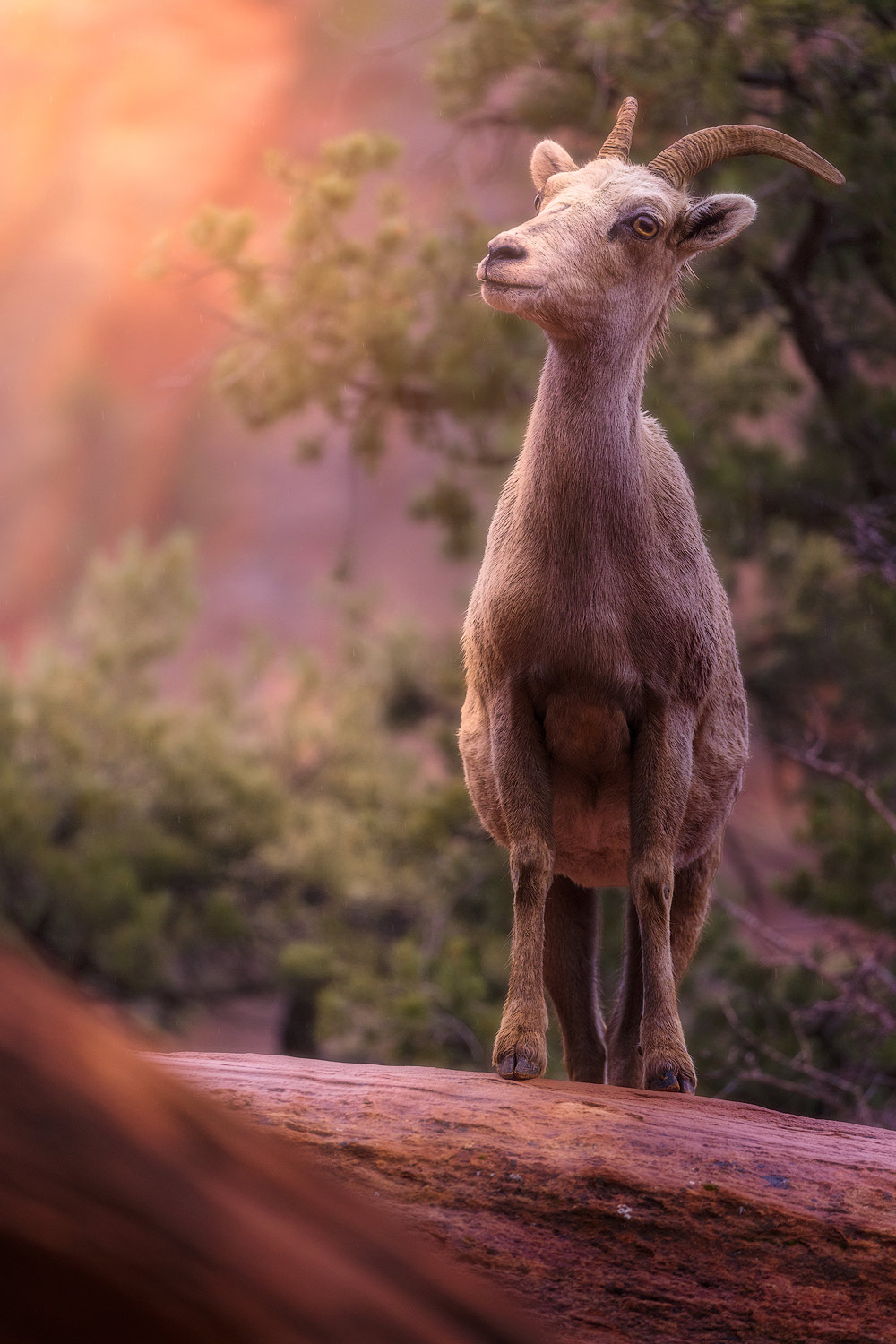
The question I am asked often is will I see dangerous wildlife? And the answer will most of the time be no. I have rarely seen anything dangerous. I have seen a couple of tarantulas, scorpions and snakes…but most of the time, winter is too cold for them. And during the summer season, they will be hiding during the daytime and will possibly come out at night when things get fresher for them. I don’t blame them, I don’t want to be exposing my skin to the sun when it’s 40 degrees outside.
One important thing that I always do when I hike in the desert, I will try to avoid walking too close to bushes or loose boulders hanging in the middle of nowhere. Snakes kinda like to hide underneath bigger rocks or bushes and if you happen to be walking very close to one where a snake shelters, it could potentially charge and grab your ankle. It never happened to me though…I am just careful and I guess it has payed off since I have never yet been bitten!
It’s also important to keep your distance from whatever wildlife you may see. What’s a safe distance to keep with wildlife? I’d say the more distance the better. Ten meters sounds like a reasonable distance to me. If you notice at some point when you walk closer to an animal only to see it turn around and run away, that means you were too close. You don’t want to chase wildlife away. It’s their habitat after all. We are visitors and should respect them in their own backyard. Keep in mind that even though deer and mountain sheep look super cute and friendly, they still remain wild animals. You sure don’t want to get charged by one.
A very important point I must add here: never feed the wildlife. Doing so will not only weaken their survival instinct but could end up making them more aggressive. How you may ask? They will at some point expect humans to feed them and if you don’t, they might even get mad at you and charge you. Once again, wildlife must remain wild. Period!
.
…IN CONCLUSION
In conclusion, be prepared to be absolutely amazed by what you are about to see. Let’s be honest, the desert environment is truly amazing for everything it has to offer. From sand dunes to mind blowing rock formations to epic erosion displays, the desert has it all. It is a true feast for the eye of any landscape photographer. I am already thinking about 2027 and which area I should explore next. I have been to the South West USA 8 times and I am far from having seen it all. My latest trip was a very fruitful and productive one. I have captured so many memorable moments and I have carefully scouted for locations which I will be visiting again…and again.