What's In My Camera Bag?
Every time someone sees my bag, the one question they ask me: What’s in that lovely bag? I am asked that question very often and in reality, the equipment you use for landscape photography doesn’t matter all that much but since I love camera equipment in general, I am always happy to talk about that topic!

CAMERA BODY
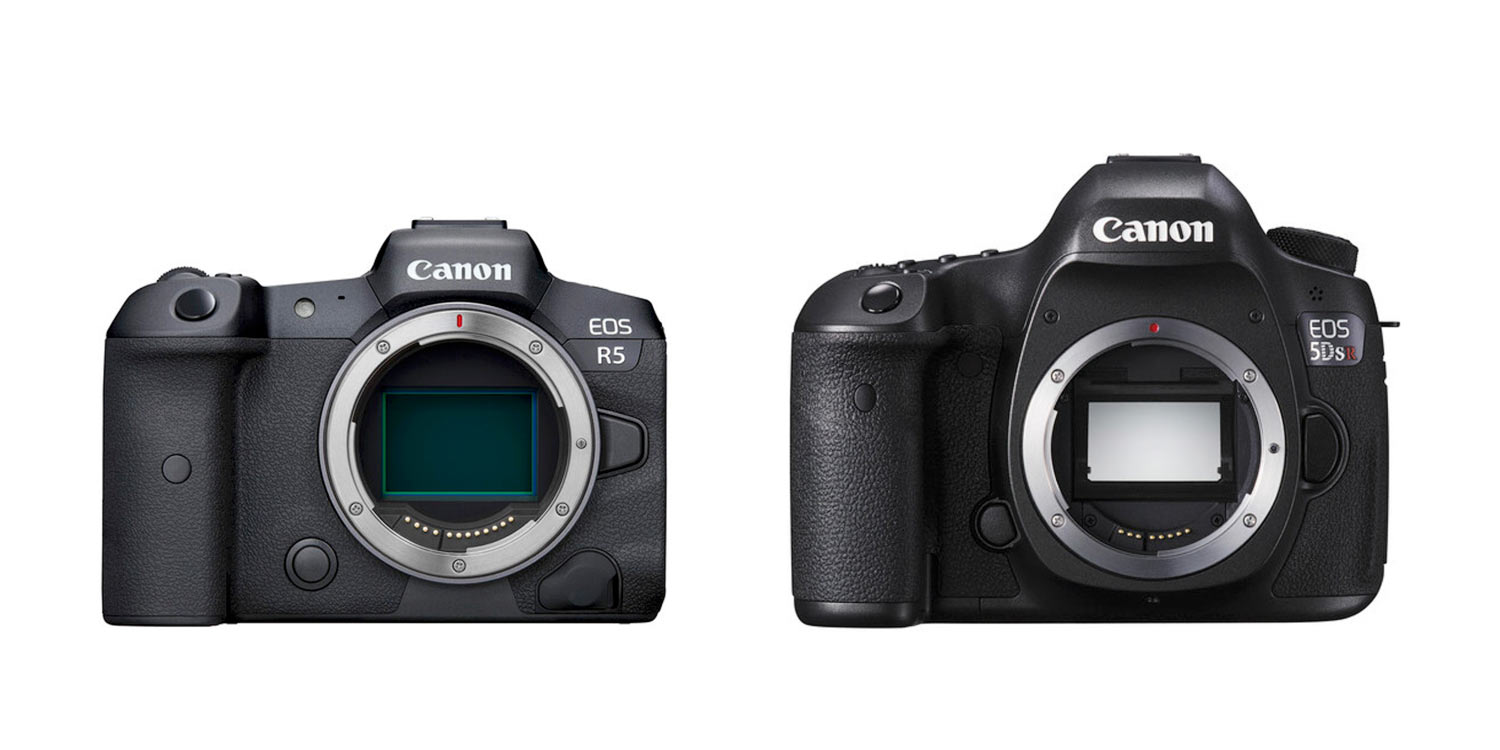
The newer techs like eye auto focus and in body image stabilizer won’t make much of a difference for me at least. Most of the time, I capture my images on a tripod and I focus manually… Dynamic range will make a bigger difference for landscape photography though. When choosing a camera body, if your budget agrees with your heart, then you should go with a full frame sensor. But a crop-factor sensor will also do the job just fine. My camera body of choice over the last 9 years or so has been a Canon 5DSr. A lot of people tend to make the move towards mirrorless cameras…I still prefer my old DSLR camera even though I have a newer Canon EOS R5. There is something about those old comfy shoes…right?
CAMERA LENSES
Lenses are the most important part of your kit. I would favor good lenses to a top of the line camera body any day. And you will need a couple of good quality lenses if you want to consider landscape photography as a serious hobby. Try to favor lenses with a fixed maximum aperture as they tend to be better overall optically.
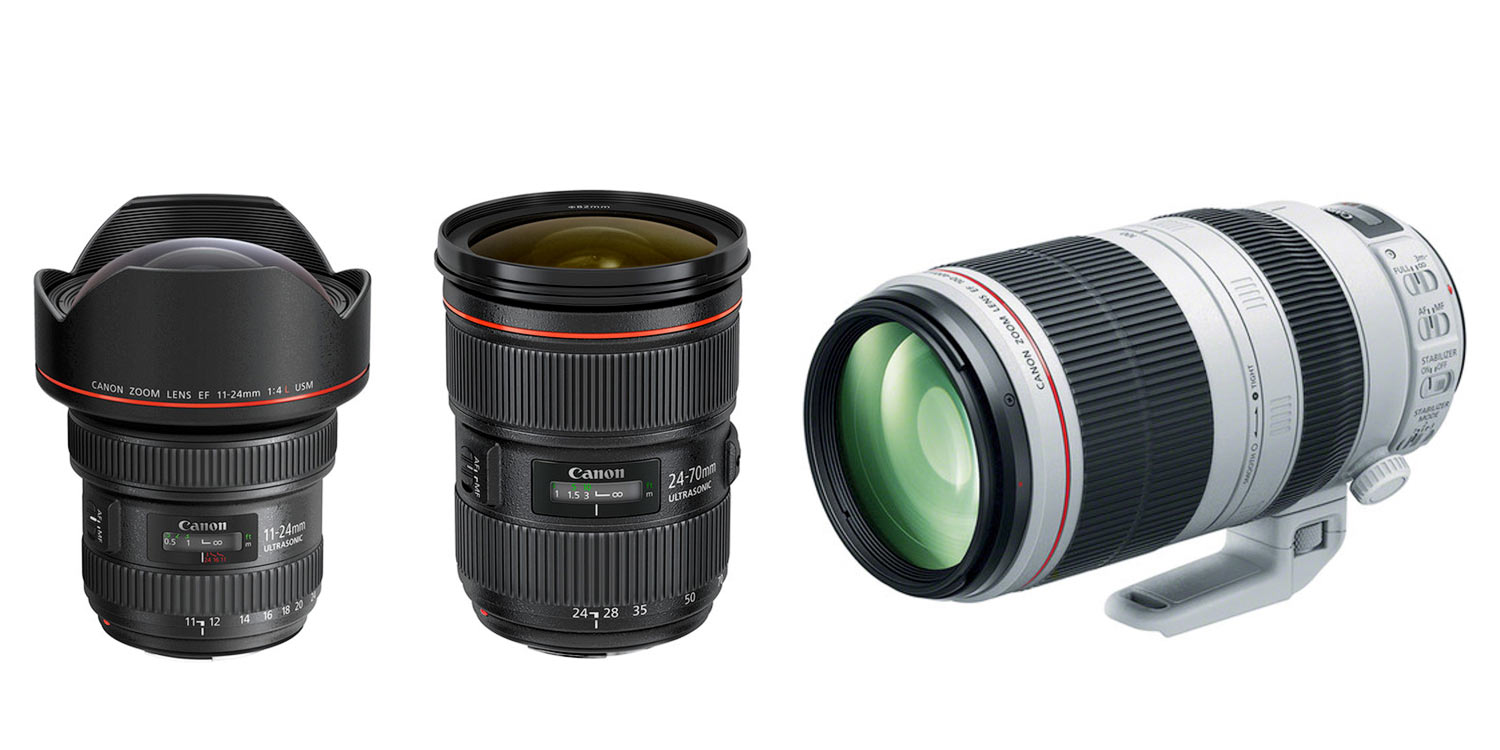
I create most of my Artwork with a Canon EF 11-24mm f4.0. That lens does it perfectly for me and matches my style. I love to capture wide vertical images that are both rich in detail and leading lines. That ultra wide angle lens is very good at giving me what I am looking for when I create images.
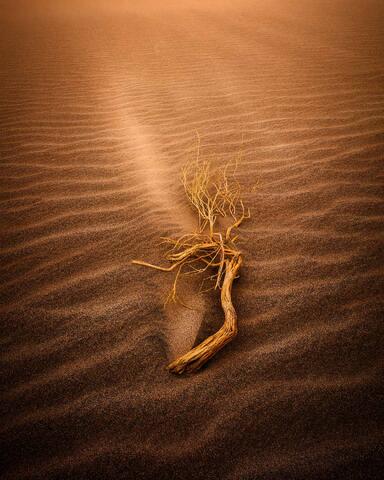
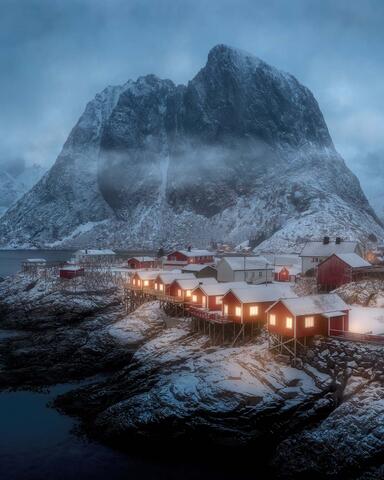
But landscape photography doesn’t automatically mean an ultra-wide angle! I also like to have a normal focal range lens and a telephoto lens in my bag too. The normal focal length lens I use is a Canon EF 24-70mm f2.8 and the telephoto zoom lens I use is a Canon EF 100-400 4.5-5.6. Some people wonder why and how one could use such a lens for landscape photography right? See examples below!
OPTICAL FILTERS
I love to use optical filters in a wide variety of situations. The important thing about optical filters is to use premium quality ones just like lenses. Cheap quality filters can severely degrade image quality…and what would be the point of using top of the line lenses with the cheapest optical filters? Go for brands like Kase Filters, PolarPro or Fotodiox! These brands make top of the line filter sets for most lenses on the market.
The filters I have in my arsenal are Neutral Density Filters (2, 3, 4, 5, 6 and 10 stops) and a Circular Polarizer. The neutral density filters will be useful to slow down the shutter speed and smoothen the movement of water or clouds. The circular polarizer will serve the great purpose of controlling reflection on reflective surfaces and to boost colours in some situations.
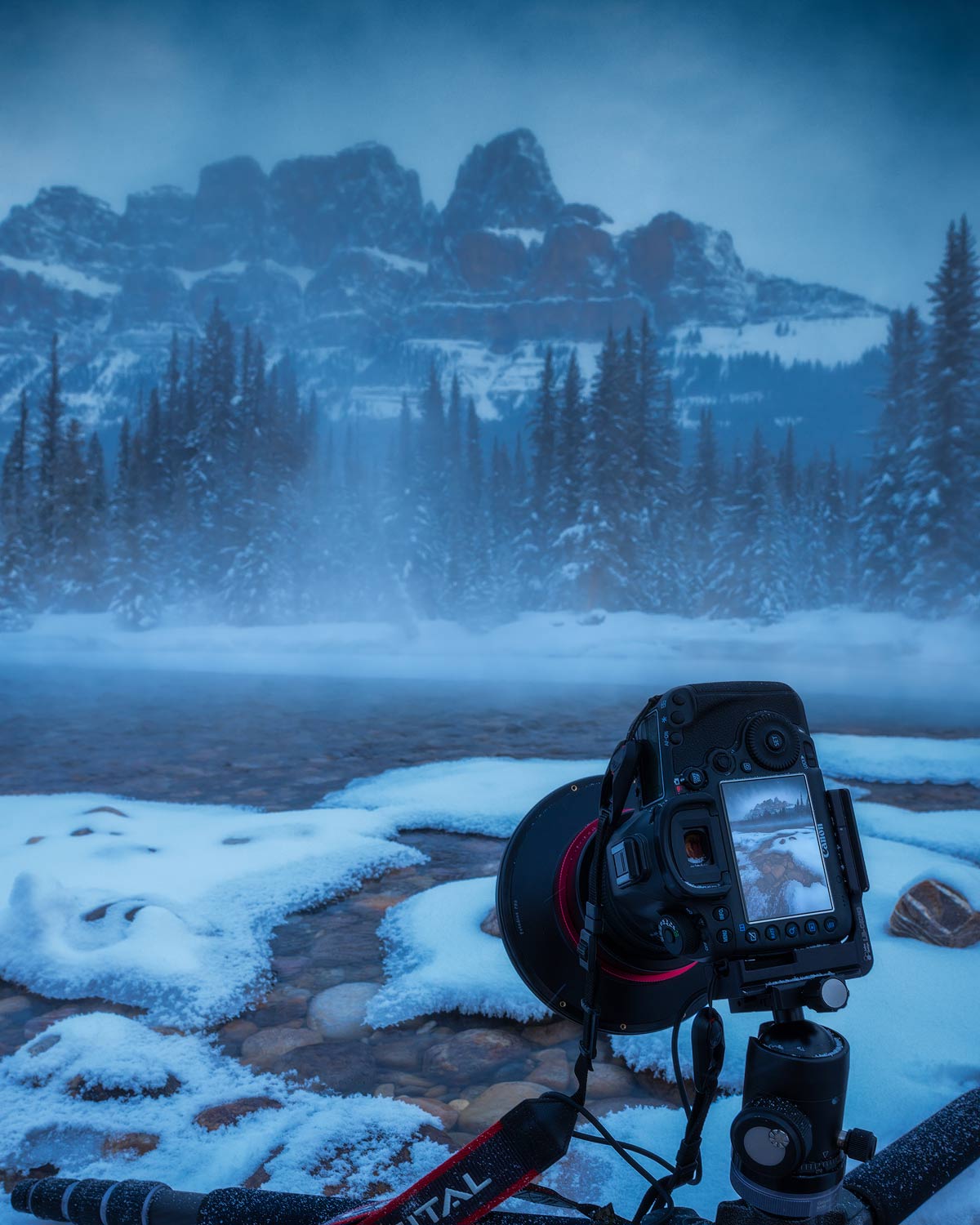
Since my Canon EF 11-24mm f4.0 has a very bulbous front element, it makes using filters a bit of a pain. When you think about it, 11mm offers a field of view of 127 degrees on a full-frame camera. That’s extremely wide! And for that reason, filter options for that lens are very limited. Fotodiox Pro makes a filter system that not only fits beautifully on the lens but also works flawlessly! Their filters have very little to no colour cast at all!
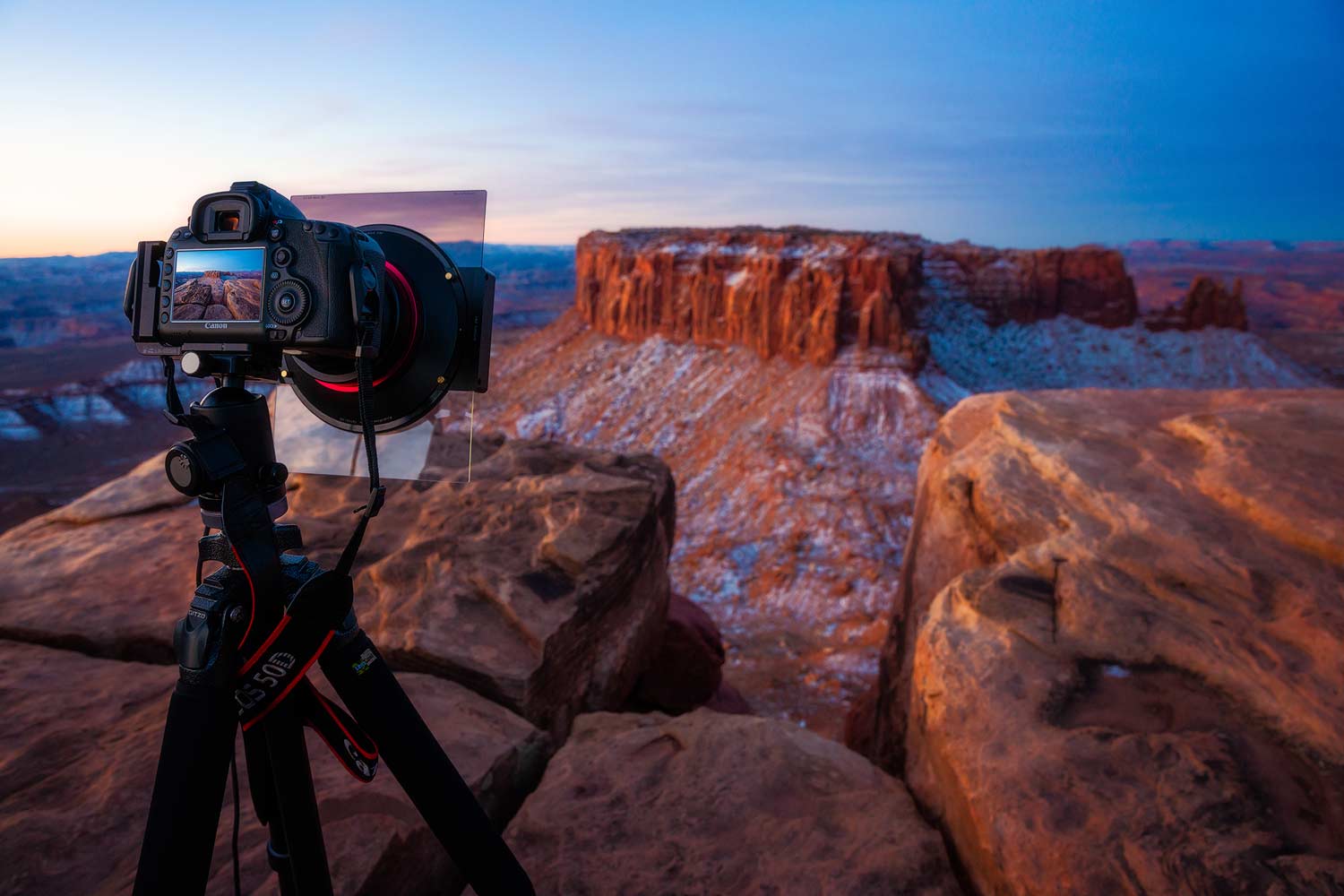
For the other lenses in my camera bag, I like to use regular 82mm magnetic filters from Kase Filters. They make great quality optical filters. I also like the fact that they have combo-filter options such as a Circular Polarizer + 3 Stop Neutral Density…that way, you don’t need to stack multiple filters and by doing so, you also reduce chances of degrading the image quality and lens flares between filters.

REMOTE SHUTTER
I think every camera bag should have a remote shutter. Some will say that you can simply use the two second timer instead of a remote shutter…since I do a lot of focus stacking and perspective blending, I like to minimize physical contact with my camera body while I am capturing those said images required for a scene. This prevents any possible camera shake and/or movement and makes aligning and editing those images a breeze.
Also, a wireless remote shutter can be very useful if you plan on doing selfie images. The 10 seconds timer isn’t always going to be long enough for you to run into your scene and pose…

SPARE BATTERIES
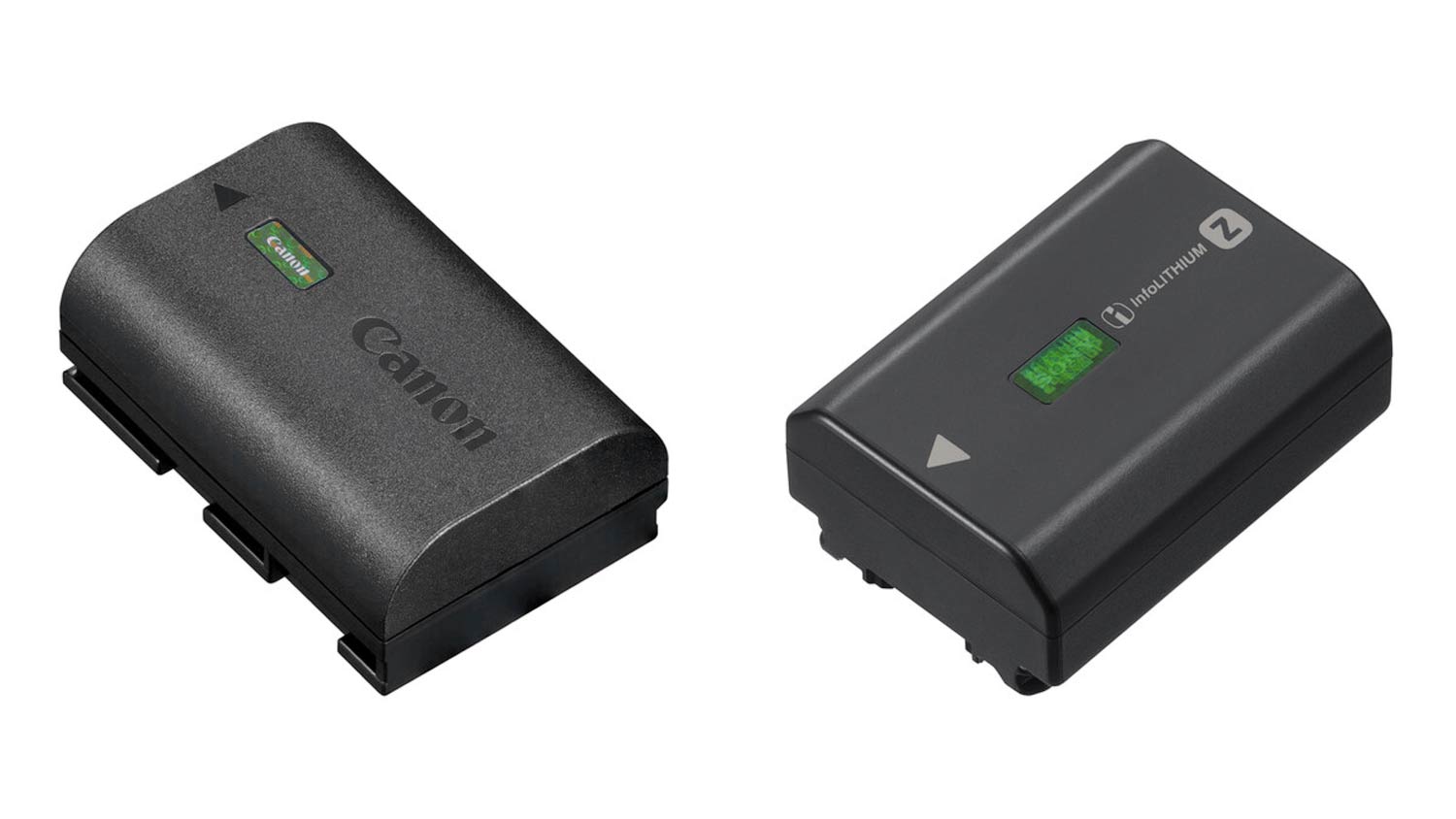
I always carry a ton of spare batteries…ok, a ton is an overstatement!! Since I spend a lot of time outside in the cold days of winter to create my Artwork, I need many spare batteries. Camera batteries tend to become exhausted much faster in cold temperatures. The worse I have seen was dead batteries after 20 minutes at -40 Celsius! That’s wild! I also like to purchase genuine Canon batteries from trustable sources. Third party batteries never did it for me…they often died on me after a few short years. Go OEM!
MEMORY CARDS
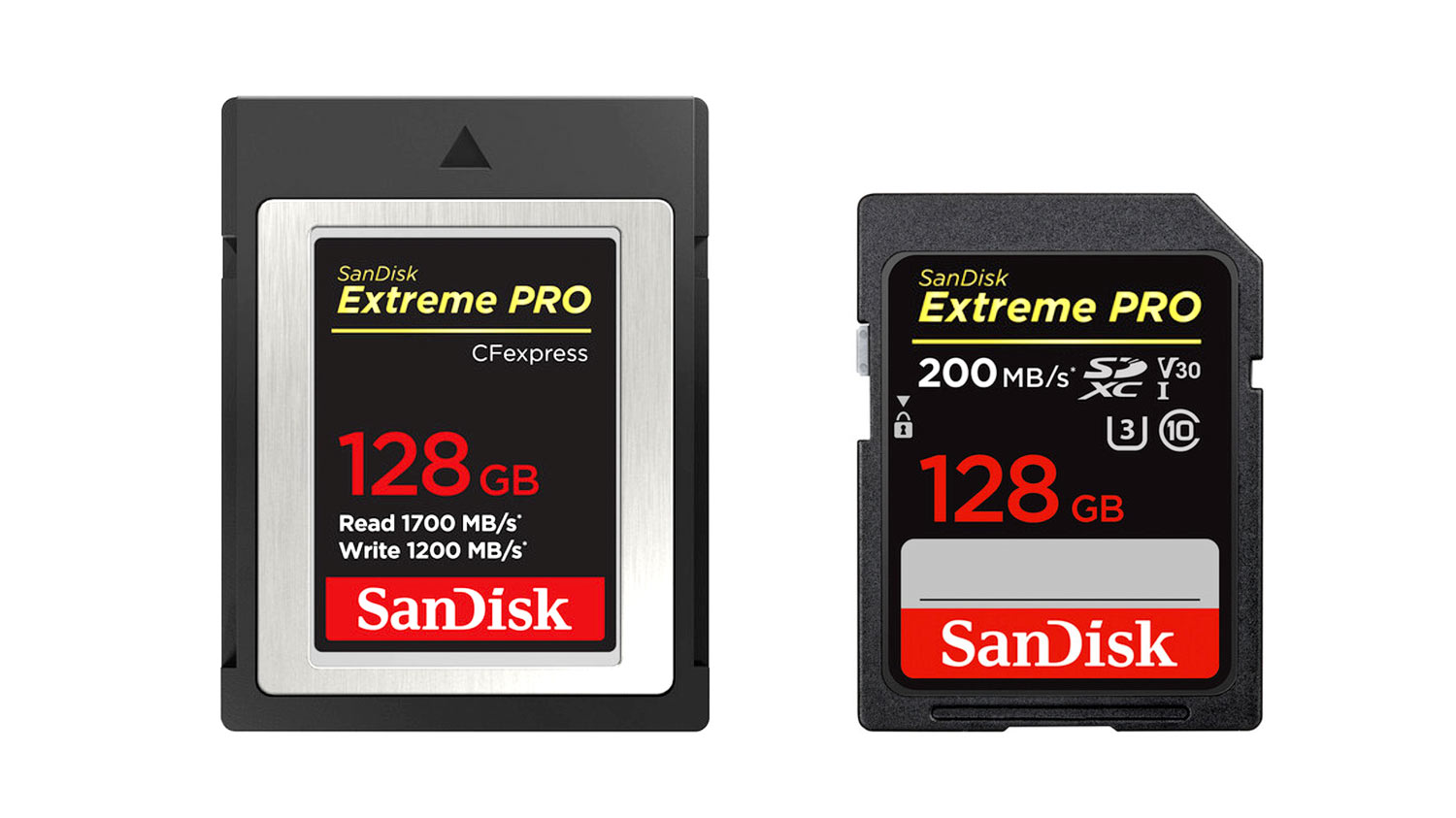
Of course, I will need a bunch of memory cards to back up my images. Both of my camera bodies can capture images mirrored on both memory cards and I think that is a great feature since it instantly gives you a backup of every image on the spot. Memory card failures are rare…but if it happens, you’ll be really happy to have a second card in your camera with all the images.
I only use Sandisk Extreme Pro memory cards. They have never failed on me in over 15 years. I just make sure to purchase them from trustable sources since counterfeit cards exist!
MEMORY CARD WALLET
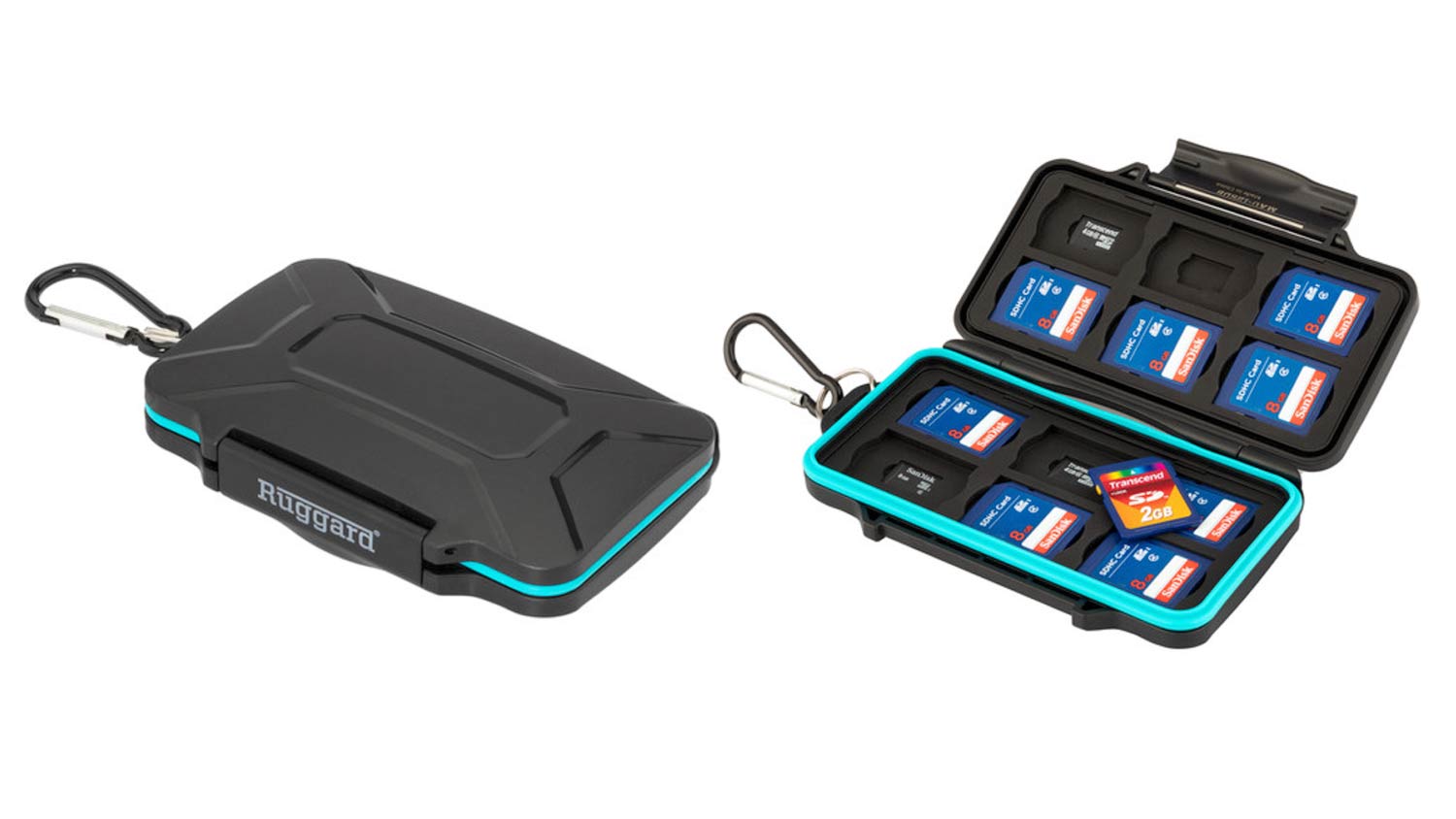
The one thing that most people forget is that memory cards can be fragile…you have to take care of them! You have to babysit them carefully! Always use a weather and water proof hard case to store your memory cards! Soft memory card wallets are a joke! Your cards are going to break in those..broken cards can possibly mean losing images!
ROCKET BLOWER AND LENS CLOTHES
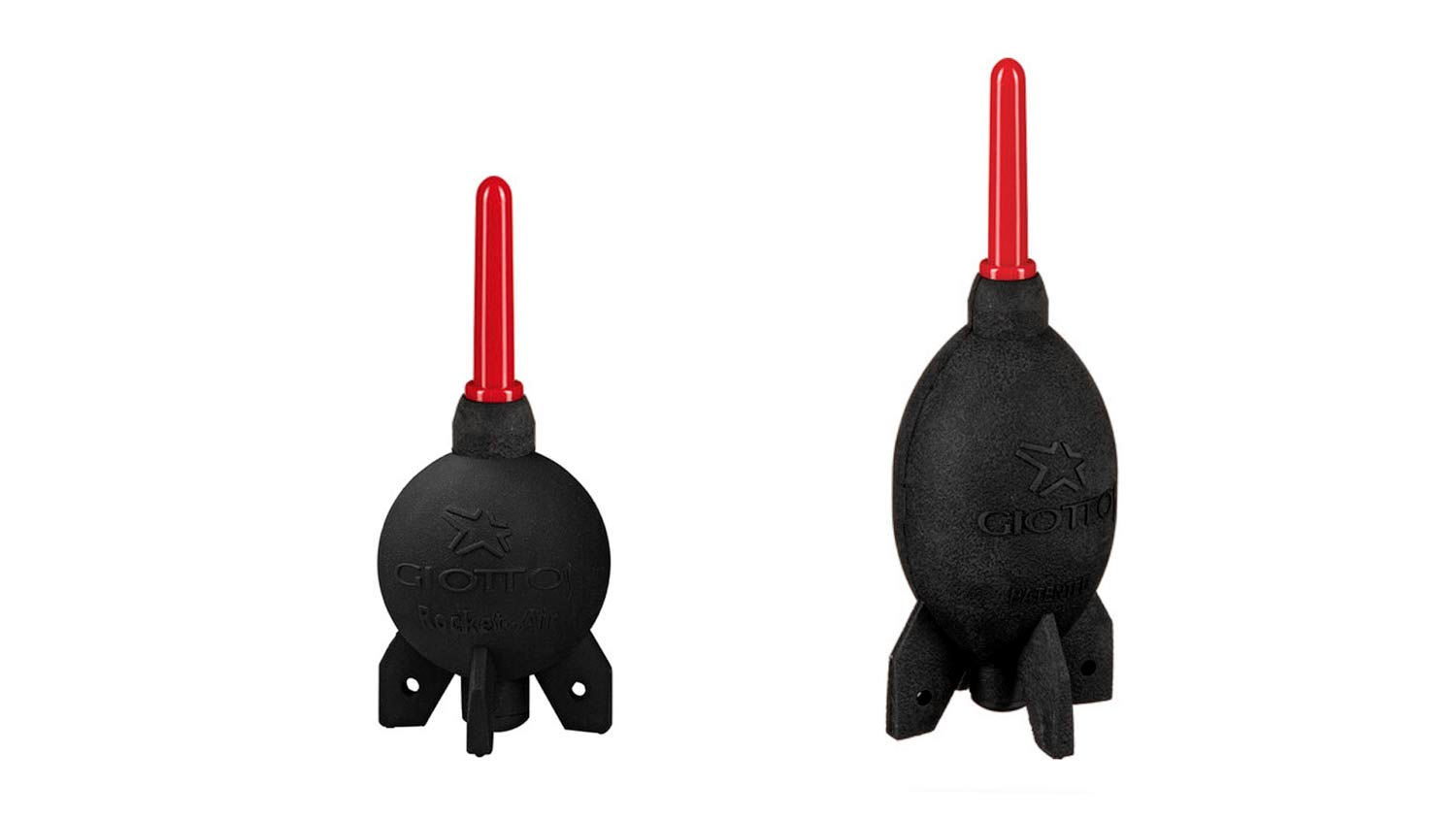
Always important to have those in a camera bag. The nature of landscape photography means capturing images outside! And being outside also means swapping lenses near sand or dust or water spray…you definitely want to be able to clean or dust off dirt from your lenses or camera body. Note that you should never rub your sensor with a lens cloth…a Rocket Blower could save the day and remove some of the dust spots on your sensor.
TRIPOD AND HEAD
Ok…the tripod doesn’t fit into the bag. But since it is an important piece of equipment, I wanted to mention it here too! The tripod is often the most neglected piece of equipment…and most people tend to buy the cheapest option. I won’t spend too much time talking about tripods here since I have an entire article dedicated to tripods: HUNT FOR THE IDEAL TRIPOD!
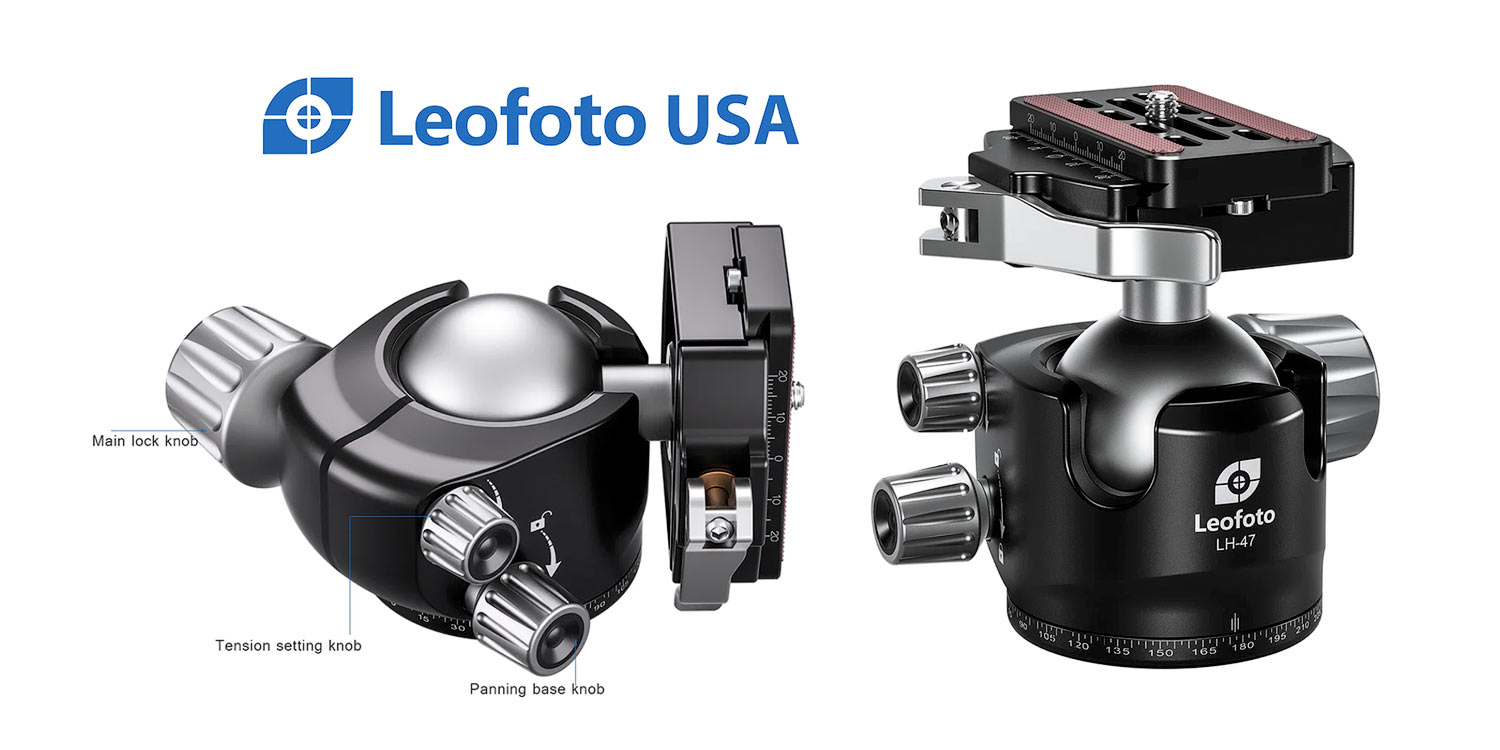
Same goes for the tripod head, I try to use top of the line equipment only..that’s why I chose a Leofoto LH-47LR Ball Head. I think it represents the best quality/sturdiness/price ratio on the market. It is super solid and will hold my camera system without any concerns.
CAMERA L BRACKET
Probably one of the most useful accessories a landscape photographer can buy: a L Bracket. The L Bracket allows easy horizontal or vertical setup of cameras on a tripod head without off-setting the weight on either side of the tripod. This will certainly make your setup much more stable. When buying an L Bracket, I highly recommend going for a bracket that was made specifically for your camera body. Avoid using universal L Brackets as they tend to loosen easily. And you should always buy the best one from Really Right Stuff! They are expensive but really well made with top of the line aircraft aluminum!
CAMERA BAG
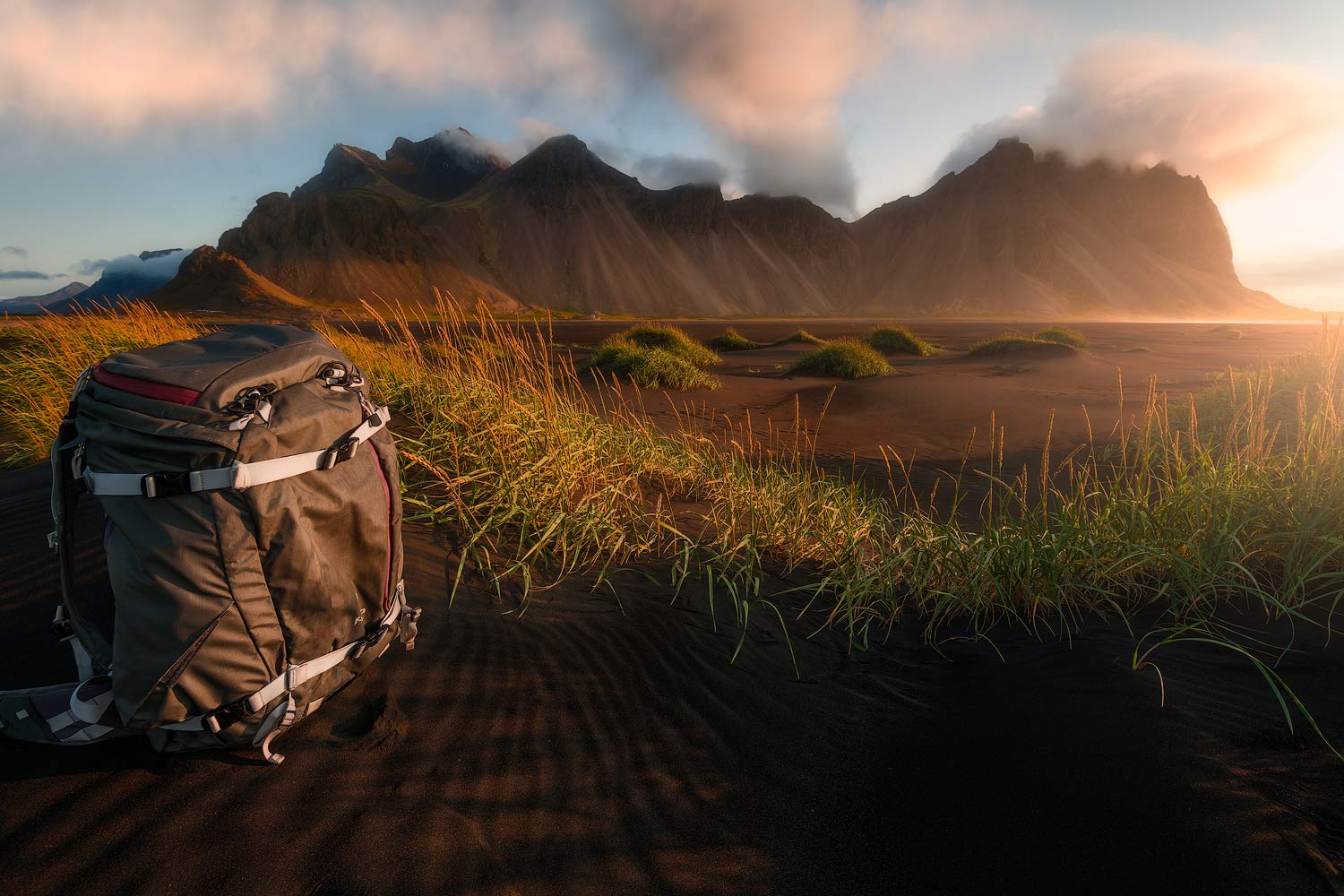
And now let’s talk about the thing that will carry all this heavy equipment: my f-stop Gear bag! That is another place where most people tend to go for a cheap and poorly designed option. Camera Bags are as important as a good pair of shoes! A bad bag will hurt your back just like bad shoes will hurt your feet!
I use f-stop Gear bags. These bags are made like hiking bags! They have a built-in frame which re-distributes the weight on my hips instead of carrying the heavy load on my shoulders. I can hike for hours…and I just don’t feel the bag! Their system is also genius! They created a modular system which allows you to swap the internal camera unit compartment to suit your needs for any specific hike or trip. The hardware throughout their bags are fantastic…they use water repellent fabrics, YKK zippers and their bags feature things like multiple pockets, an emergency whistle, a key chain loop and more…
I have tried so many camera bags…there is only one for me! f-stop Gear it is! And I am also a proud ambassador for them!
AND SOME EXTRAS…
I also carry a bunch of other small items in my camera bag such as snack bars, head lamp, spare socks, a spare jacket, first aid kit, cleats, waders all depending on what I think I’ll need…being well prepared for landscape photography is extremely important!
…IN CONCLUSION
In conclusion, just like I mentioned in the beginning, the equipment is not likely to make that much of a difference with landscape photography as long as you know how to use the equipment you own. The camera doesn’t make the image…you do! But if this article can help you to purchase the right equipment for your needs, then I will be ecstatic to have helped!
Do you have any additional questions regarding camera equipment? Do not hesitate and send me an email! I am always happy to help!