Have You Seen The Total Eclipse?
Coming in as the most talked about nature phenomena of 2024 so far, the Total Solar Eclipse was truly spectacular! Did you get the chance to capture it? Or at least, did you get a chance to put on a set of solar eclipse glasses, tilt your head up towards the sky and witness it with your own eyes? I hope you did because it was quite an event!
As far as I can tell, I wasn’t even interested to capture it in the first place because I am not a big fan of the sun in general. In fact, I am happy to see clouds because I get to see less of the sun…but after some reflection, I decided to take a look at what they called « the path of the eclipse » or more simply said, the path where totality would be seen and to my big surprise, I happened to be right in the path! Curiosity started building inside me because I wouldn’t need to travel too far from home to enjoy this rare phenomena for the first time.
TIME TO FIND A COMPOSITION
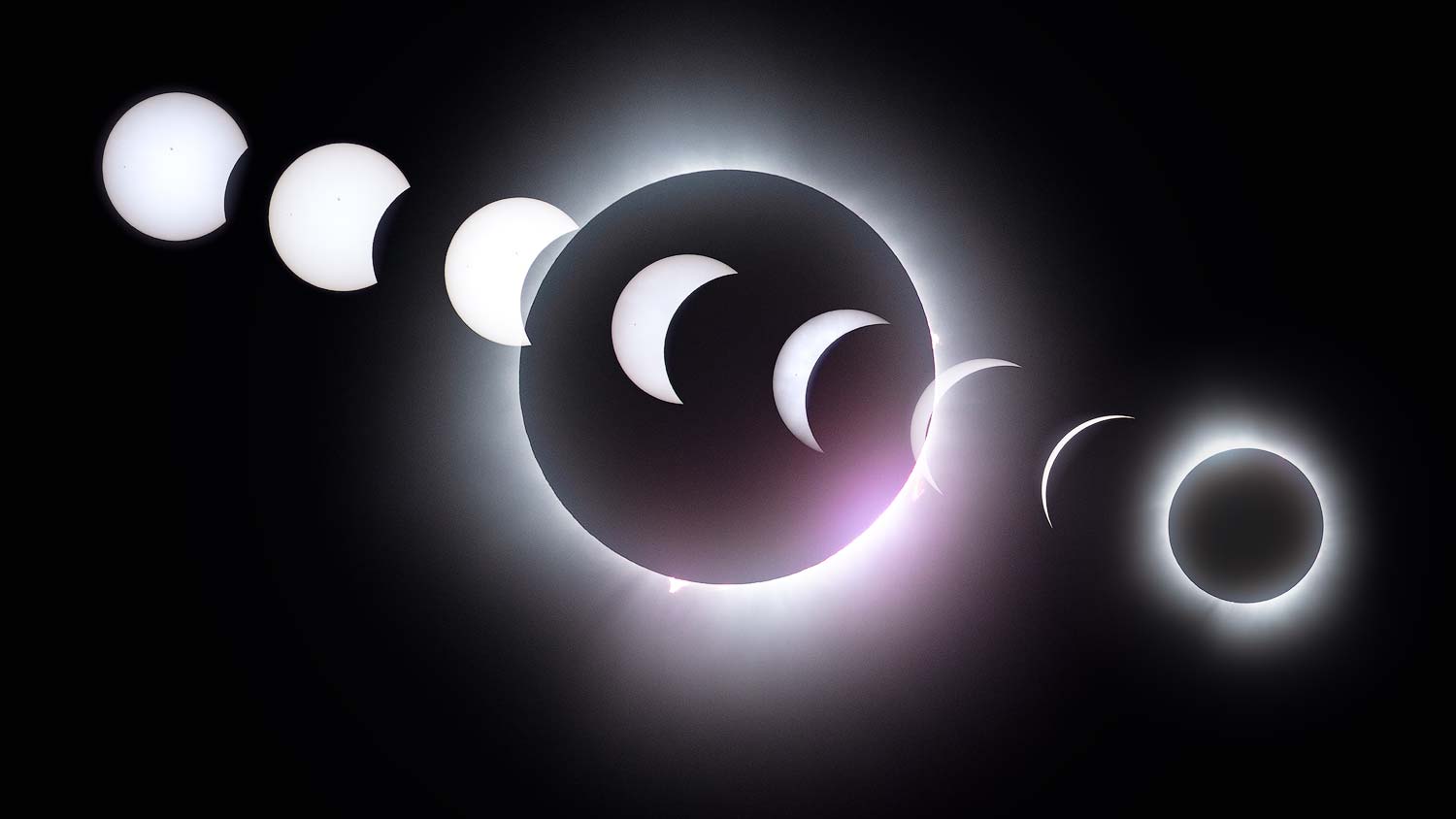
And later came the time to find a composition…what do I mean by this? Well, it’s not like total solar eclipses happen every week…I needed some inspiration because I had no clue how I would compose this image so I started looking on social media and the internet in general. After finding a ton of images that had been done during the 2017 total solar eclipse which wasn’t visible from my area…I found out that 99% of the images I could find were just basic images of a circle in the middle of a dark frame…really? There must be a way to create something more creative! Right?
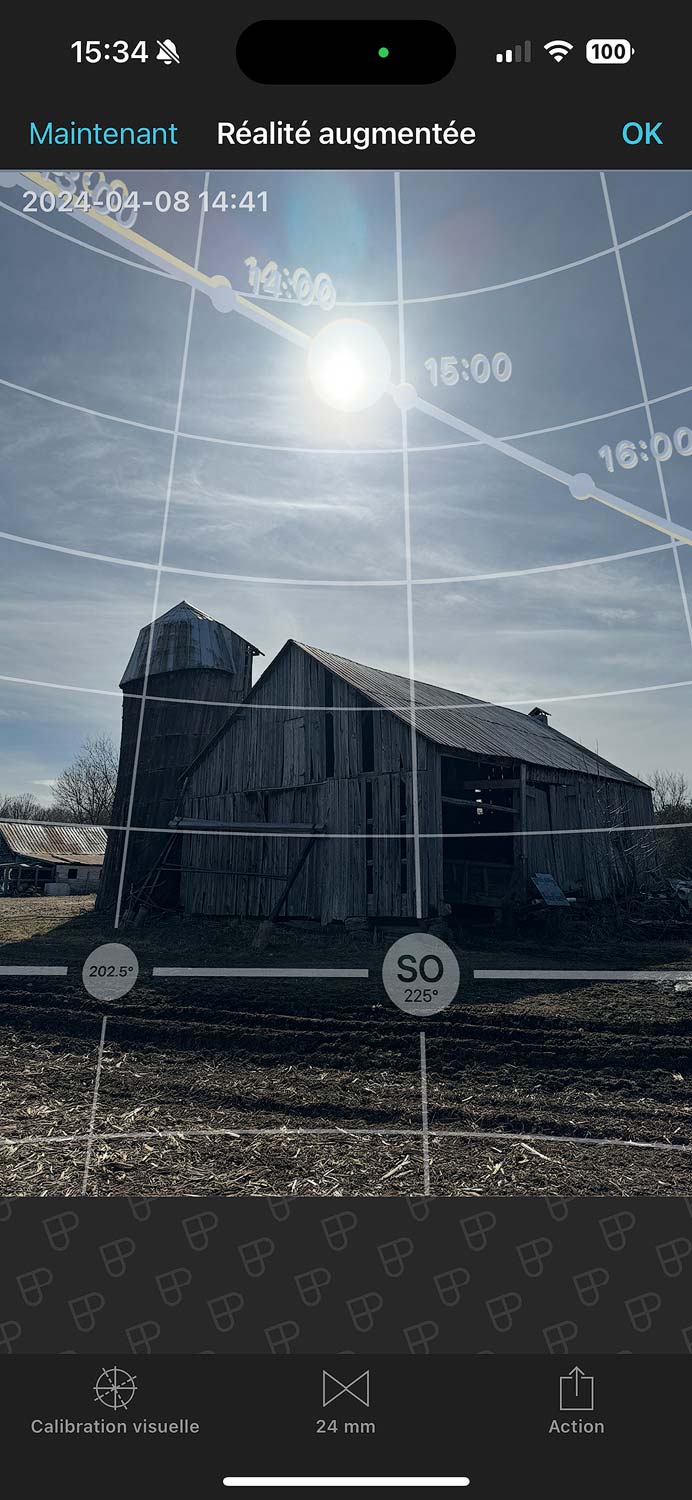
I then decided to go scouting near where I live… I contacted some friends living near me and asked if they knew about cool old barns or church ruins…Nadeana, a good friend of mine, gave me some locations where I could find such interests. I drove by those locations and one was just ok, the second location, we could barely see the ruins as they were all covered with trees so that option wasn’t going to work either…then I made a random right turn and found THE one I was looking for! She was so pretty!
You might call this luck but as I was driving in front of it, the owners were outside having a chat with friends…I turned around and went to ask them if they’d give me permission to capture the eclipse and using their beautiful old rustic barn as a main interest in my composition! And they agreed in exchange for a couple images… I was super happy! I am a very respectful person and I wouldn’t walk on somebody’s property without their permission…that’s just the way I am! And I highly recommend you do the same and ask for permission before walking on someone’s property.
DID I NEED TO PROTECT MY CAMERA?
The one question that most photographers asked themselves was: Do I need a filter to protect my camera? The answer is yes! But depending what you plan on doing, the answer could differ a little bit…let me explain. If you plan on doing a Timelapse of the eclipse and capture frames every couple of seconds, you would definitely need a NISI 16,6 stop solar filter. Why 16,6 stop you may ask? Do you remember how we could ignite fires with a magnifying glass as a kid? Same could happen with camera lenses…except the fire will occur inside your camera equipment. The filter must absolutely be in front of the lens…not in front of the camera sensor. You must block sun before it enters the lens…the lens will act like a magnifying glass and could potentially over heat, causing damage to electronic components inside of it.
Also, the sun is really bright and if you want to retain as much detail as possible from the sun, you need to block an insane amount of light. That filter must also block UV and IR rays as those can be harmful for your camera sensor.

MORE SAFETY TIPS?
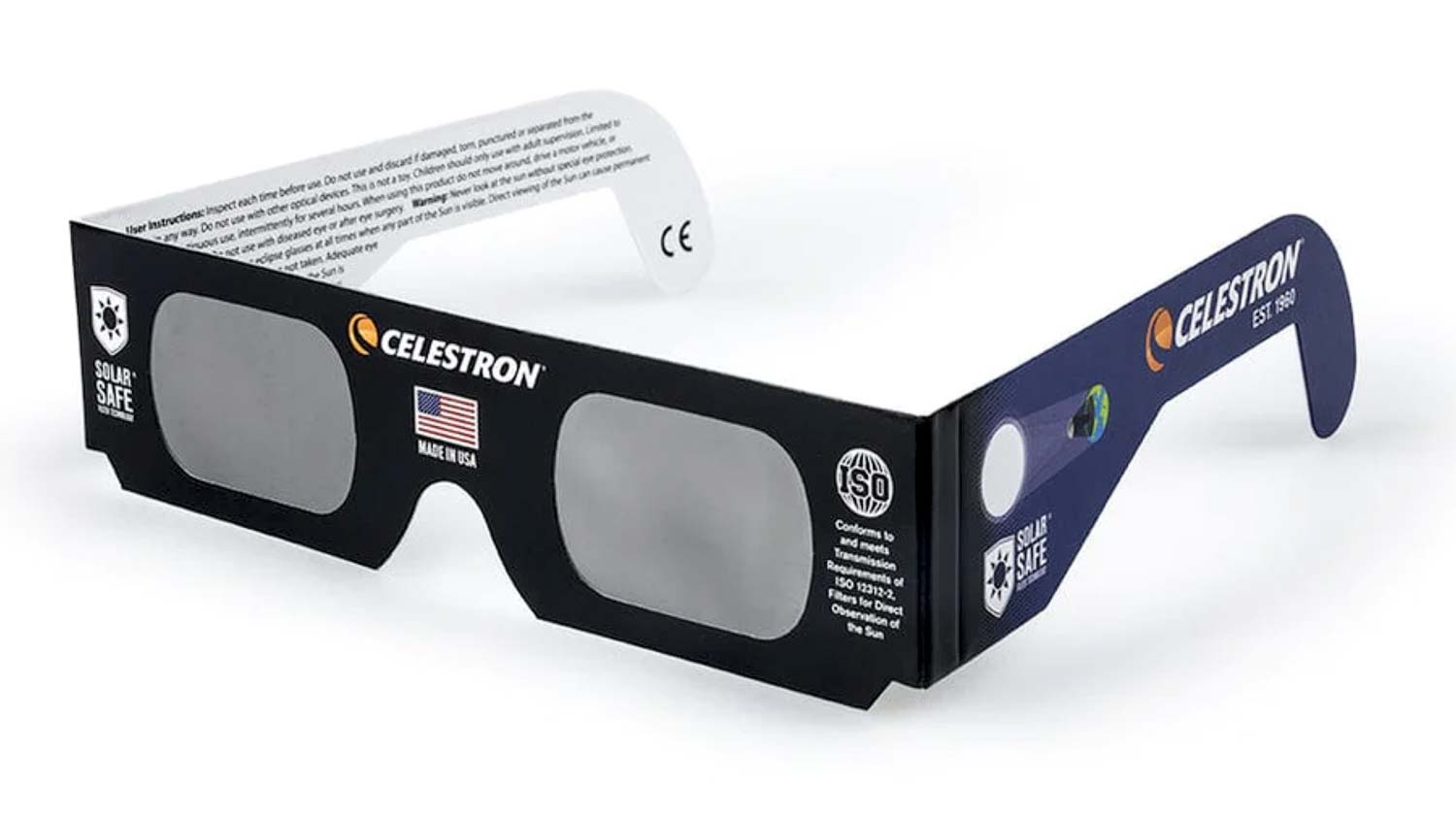
The one most important thing during this whole eclipse experience is to be careful to not permanently damage our eyes…the camera equipment can always be replaced…not our eyes! Our eyes are precious and priceless! Never look at the sun without proper ISO 12312-2 certified filters. Regular sunglasses of camera neutral density filters aren’t going to protect our eyes. When composing your image, make sure to never look through the optical view finders of your camera if you are using a DSLR. Make sure to use the camera’s Live View which will display your composition on your rear camera screen. The optical view finder will act as a magnifying glass and could/will cause permanent damage to your eyes. Mirrorless cameras’ viewfinders are digital so that won’t be a threat for our eyes.
Myths are saying that the eclipse can make you blind if you don’t have solar glasses…absolutely false! Looking at the sun can/will make you blind! The sun is always equally dangerous for our eyes. The problem with the sun during the partial eclipse is since the light is dimmed, people have a tendency to look at it longer. This will cause permanent damage to your eyes. The only moment when we can safely look at the eclipse without glasses is during totality because there is no sun…it is literally hiding behind the moon.
HOW DID I CAPTURE THE ECLIPSE?
Since I wanted to capture the actual scene where I was to view the eclipse, I decided to setup two cameras on two different tripods. The first camera had a 15-35mm f 2.8 lens mounted on. That camera was going to capture the whole scene where I was viewing the eclipse. I didn’t use any filters on that camera setup as my main concern here was to capture the scene and I needed to do Focus Stacking and Perspective Blending to be as faithful as possible to the real proportions of the real scene. Using a solar filter would have unnecessarily lengthened the exposure time for no valuable reason. And we landscape photographers often capture sunrises or sunsets without filters so I knew this would not cause any problems to my equipment…
Since the sun was very small on my ultra wide angle lens mounted to the first camera, the second camera had a 100-400mm lens mounted on and the plan was to capture bigger, cleaner, sharper and better exposed images of the sun. I had a timer on and every 4 minutes, I would hit the shutter button to capture each phase of the eclipse. In between each image, I made sure to put the lens cap back on the front element to minimize the exposure to sun even though I had a solar filter on that lens. We can never be too safe…
DURING TOTALITY…
What happened during totality? Let me first start with what happened before totality…it’s actually quite boring! I remember why I wasn’t all that interested in capturing the eclipse because during all of its partial phases, all you can see is a partially obstructed sun. It’s not that impressing! But I have to admit that the last 10 minutes before and after totality are cool because your surrounding becomes darker as if there was a big cloud in the sky…
It’s a completely different story when totality starts! Oh My God! It feels exactly like if electricity is cut at night…everything becomes so dark around you. I removed the solar filter as it wasn’t need during totality… The birds took off as they were sure their day was over…mosquitoes came out and started bothering us while we were busy with our cameras. It felt like night time in just a few seconds!! The light is literally inexplicable! I have seen some pretty wild light displays in my life so far but nothing compares to a total eclipse! You look around you and the horizon is bright and warm as if it was sunset…but also so dark where you are standing. Then you look at the sky and you can see a beautiful Ring of Fire right above your head! It’s truly magical! And it was all gone in just a matter of a few very short minutes. Then I re-installed the solar filter on my 100-400 lens and kept capturing more phases of the eclipse as it was coming closer to an end.

…IN CONCLUSION
In conclusion, I stand by everything I was thinking about a partial eclipse…a partially obstructed sun isn’t any better than a perfectly clear sun. If there was a partial solar eclipse to come soon, I would probably just ignore it and skip it! But if you have a chance to witness a total solar eclipse once in your life, I highly recommend for you to at least make the effort to give yourself the most possible chance to see it because it is a truly memorable experience! It is a once in a lifetime experience that you’ll be truly happy to check off your to-do list!
The next total solar eclipse is scheduled to happen in August of 2026 and will be visible from Iceland and Spain…yes, I know what you have in mind, Iceland sounds cool for a solar eclipse but will mother nature be cooperative? Iceland is very often cloudy…I think the best bet for the 2026 total solar eclipse is Spain! See you all there!