Ready For Extreme Winter Photography?
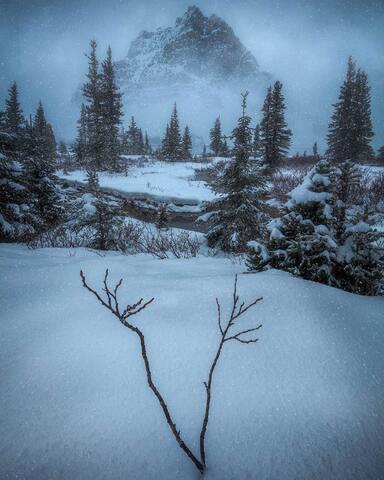
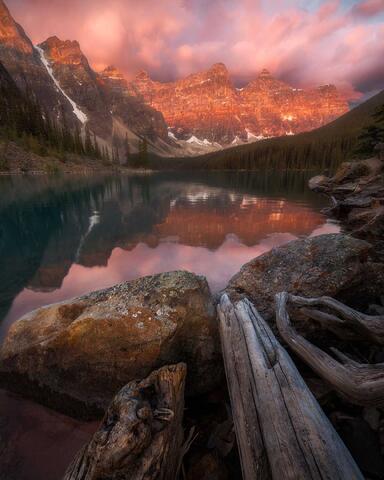
Are you ready for extreme winter photography? As far as I am concerned, I know a thing or two about winter photography! Winter is my favorite season for photography and I’ll share some tricks and tips in order to make your winter experience as enjoyable as possible! All part of the experience, hiking many km to your photography locations, waiting countless hours for the optimal light and dealing with unexpected surprises of all kinds of nature…read below and you might be able to save yourself a few hassles!!
Please note that you can click on each product image if you wish to learn more about them. Each link will bring you to the actual product web page.

WHAT SHOULD YOU PACK IN YOUR CAMERA BAG?
Other than camera gear, here’s an over view of what you should pack in your camera bag to avoid some potentially uncomfortable or even dangerous situations. You should always carry a spare beanie, gloves, and a pair of dry socks just in case you get the ones you have on wet… Don’t forget to bring your headlamp, foot warmers, satellite Spot device in case of emergency if you have one. You should also have at all times a first aid kit with a small thermal foil blanket, spare batteries for headlamp, snacks, a water bottle or a thermos filled with warm tea… You should also consider bear spray,,,it’s not likely that you’ll see a bear in winter but if you come face to face with a moose, you’ll probably want to be able to protect yourself.

WEAR MULTIPLE LAYERS
Our comfort is of primal importance! If you are cold out there, you simply won’t enjoy yourself! To gauge how many layers to wear before starting a hike, you should feel a little cold while being stationary. As soon as you start pumping the blood in your body, you’ll be perfectly comfortable on said hike! I always like to wear multiple layers for periods where I am going to be stationary for a while and I can remove some when I start moving again. You should try your best to make sure you do not sweat while making a physical effort because as soon as you stop moving, you are going to freeze instantly! You should avoid wearing cotton materials at all cost! Use merino wool and synthetic fabrics such as polyester. They’ll keep you warm and dry for much longer!

FOOT AND HAND WARMERS
I don’t personally use foot and hand warmers. I don’t know why…I just don’t need them! I think I am a hybrid of half human and half polar bear…kidding! No seriously, I don’t really need them unless the temperature drops below -30 but I do know for a fact that they work really well. One thing to keep in mind, if your boots are tight and you put on foot warmers, they won’t work as intended because they need some air to reactivate. Looser boots will ensure you have an adequate amount of air around your feet and this will make for an optimal foot warming experience.

KEEP THEM FINGERS WARM
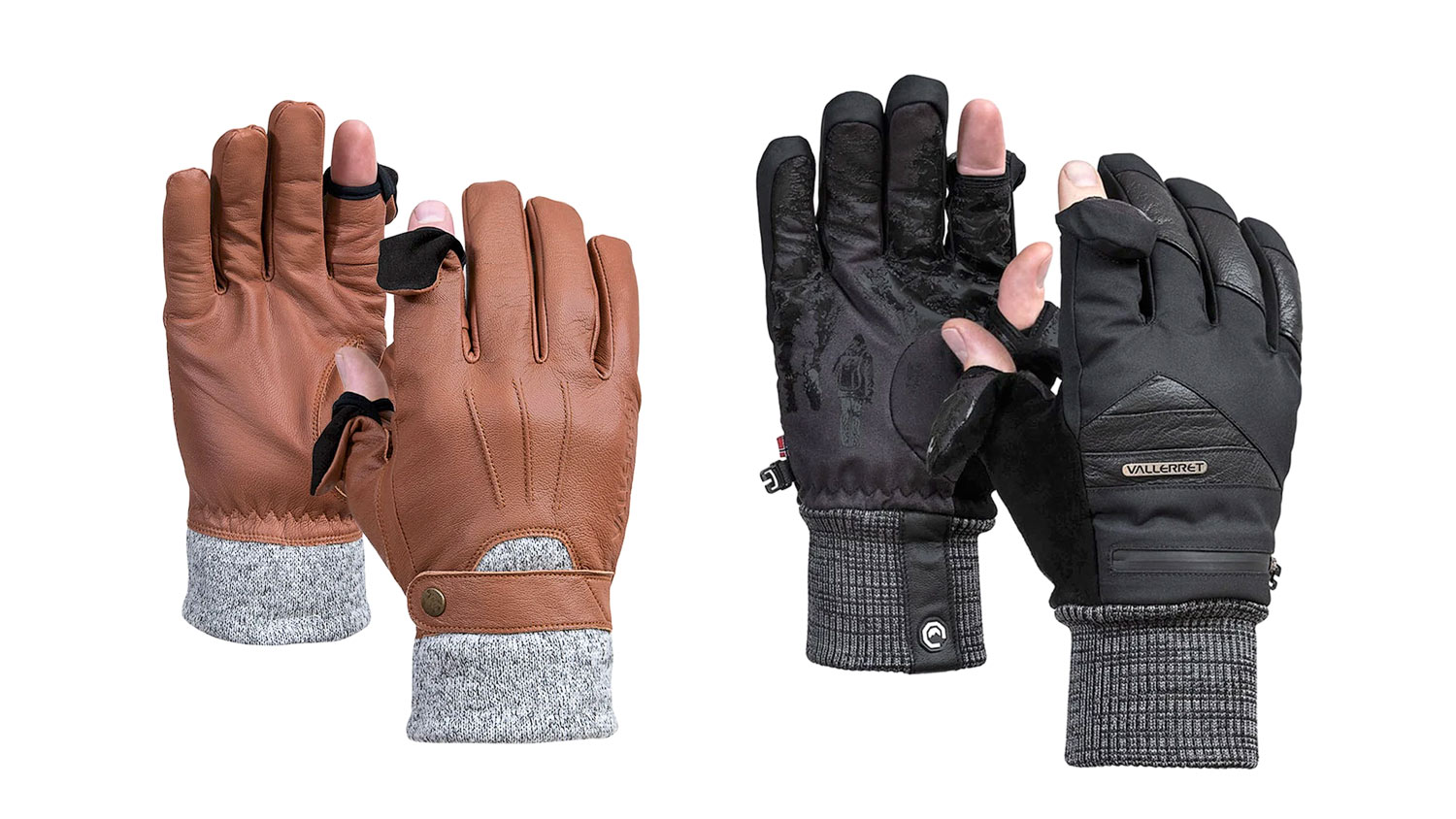
Now lets talk about the fingers…I have multiple pairs of gloves to chose from when I go out and shoot but hiking gloves can’t do the the same job as photography gloves. In an era where everything is slowly becoming touch sensitive like camera screens, smart phones…I don’t know about you but for me, touch sensitive gloves just don’t work in the field! You try to touch one area of the screen or press one button and you end up touching everything except what you initially wanted to. Essentially, I would have to take my gloves off to be able to accomplish anything that required a touch! That is until I tried Vallerret Photography Gloves! It took inhabitants from the great north to understand what photographers shooting in the great north really need! Their gloves are so nicely designed and built with top notch materials. The coolest feature is that we can poke out a couple fingers and preserve all our ergonomics while keeping the rest of our hand nice and warm. Not just that, Vallerret gloves also happen to look very classy and stylish!
PREVENT CONDENSATION ON CAMERA GEAR
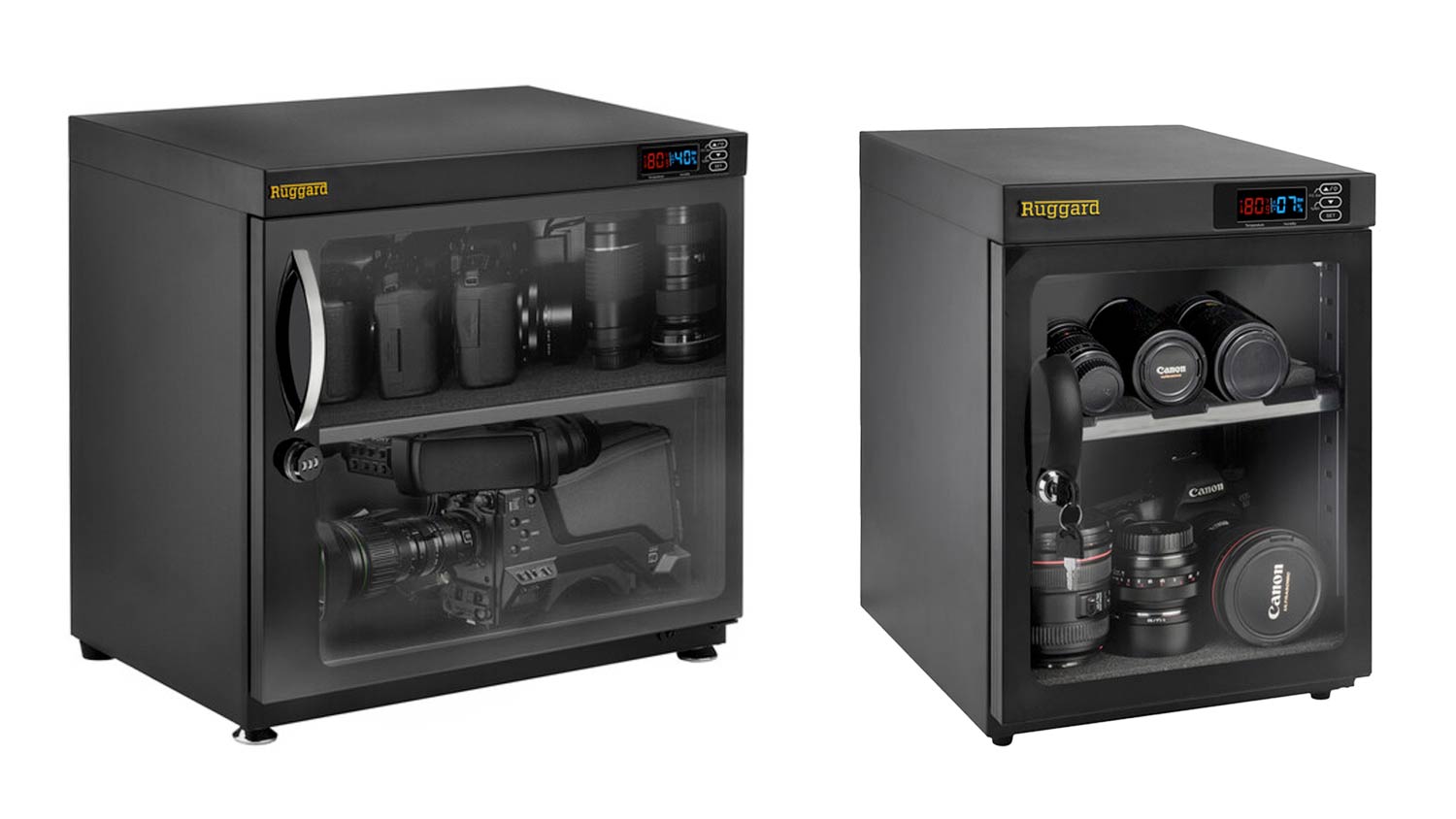
If there is one annoying thing that can occur while photographing a winter wonderland, it has to be camera gear condensation. Here are a few ways to prevent condensation. At home, I like to store my camera gear in a Ruggard Dehumidifier Cabinet. They help a lot! I only have the smallest one Ruggard makes and I only use it to store the equipment I’ll be using on my next trip…and it has made a world of difference for me!
KEEP YOUR CAMERA BAG CLOSED
In order to prevent lens condensation, you should always keep your camera bag closed inside your hotel room. You want to check your images at the end of your day? Well, you should take your memory card out of your bag before entering the hotel room. You want to charge your camera batteries over night, also take them out of your bag before entering your room. Try to avoid abrupt temperature differentials as much as possible and this should help you prevent condensation formation, lens fog and sensor frost.
CAMERA BATTERIES AND COLD
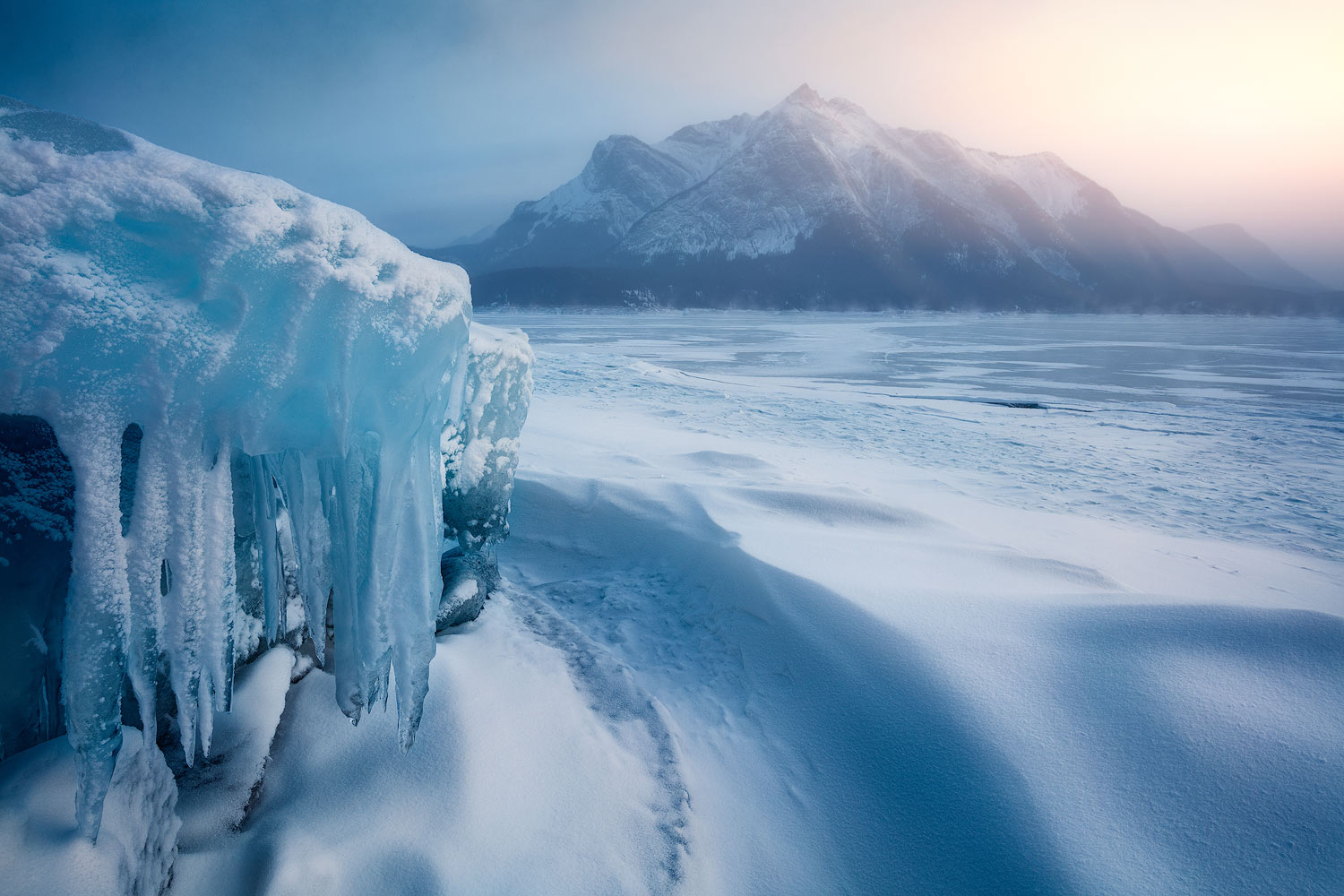
Camera batteries and cold have been enemies since their existence! I have experienced some intensely wild cold conditions in the Canadian Rockies…conditions at which my camera batteries would simply fall asleep after 20 minutes of usage. That might sound impossible but it is a real problem! Make sure to have multiple spare batteries in your camera bag. Even better, keep the batteries close to your body in an inside pocket of your jacket. This should help you preserve the battery from freezing for a little longer.
GET YOUR VEHICLE WINTER READY
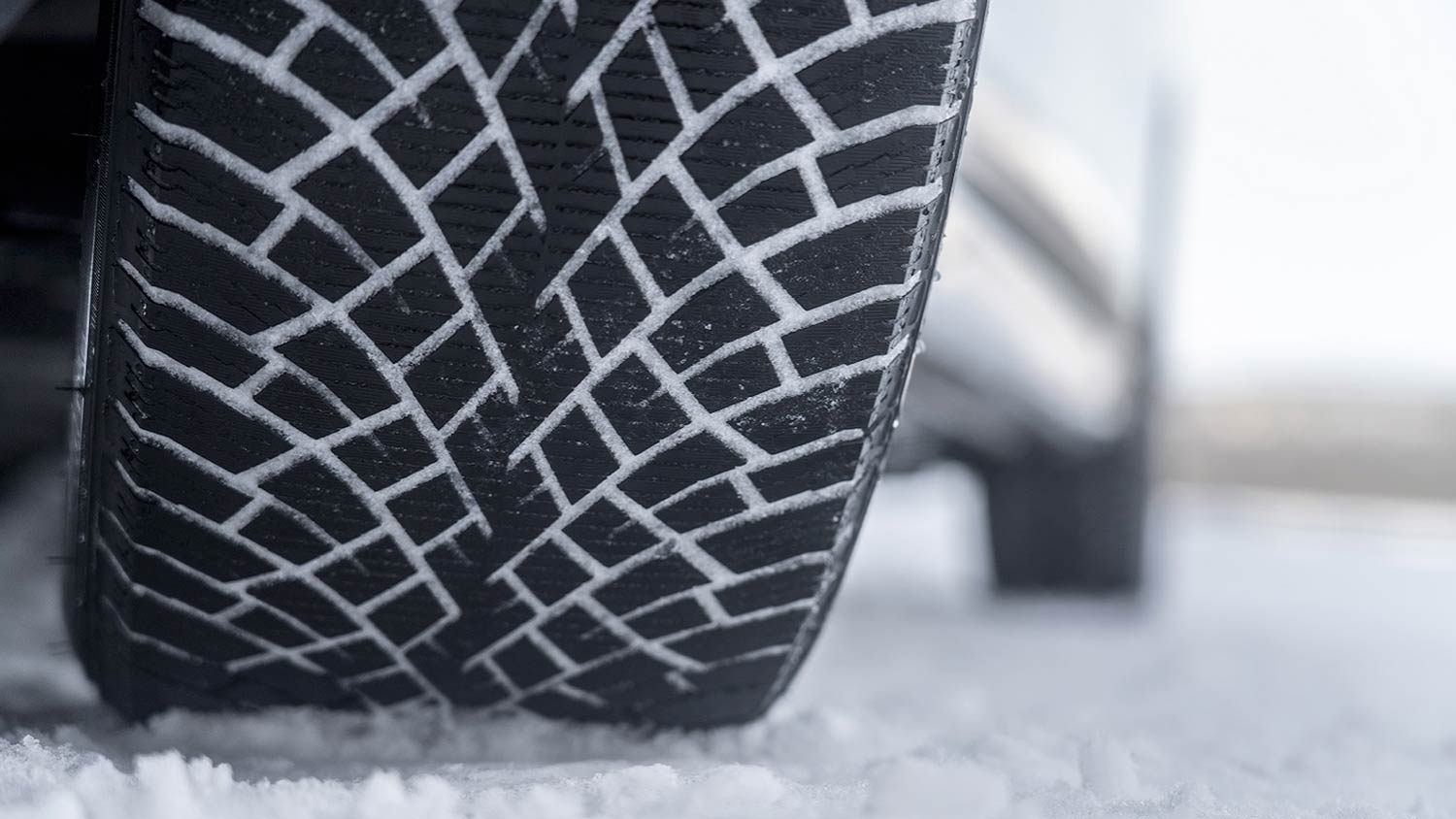
The car mechanic inside me will tell you to get your vehicle winter ready to avoid being stuck road side for multiple hours. Have it inspected in the Fall season and have a good maintenance done! Have good winter tires installed! Winter driving in the Canadian Rockies is lots of fun as you’ll feel like you are driving in the middle of a fairy tale! Snow covered pine trees with beautiful rocky peaks and a twist of beautiful warm winter light can definitely impress anyone! But in order to keep full control of your vehicle, winter tires are the way to go! Keep in mind that some provinces in Canada have regulations about winter tires…in British Columbia for example, winter tires are mandatory!
THINK A FEW STEPS AHEAD
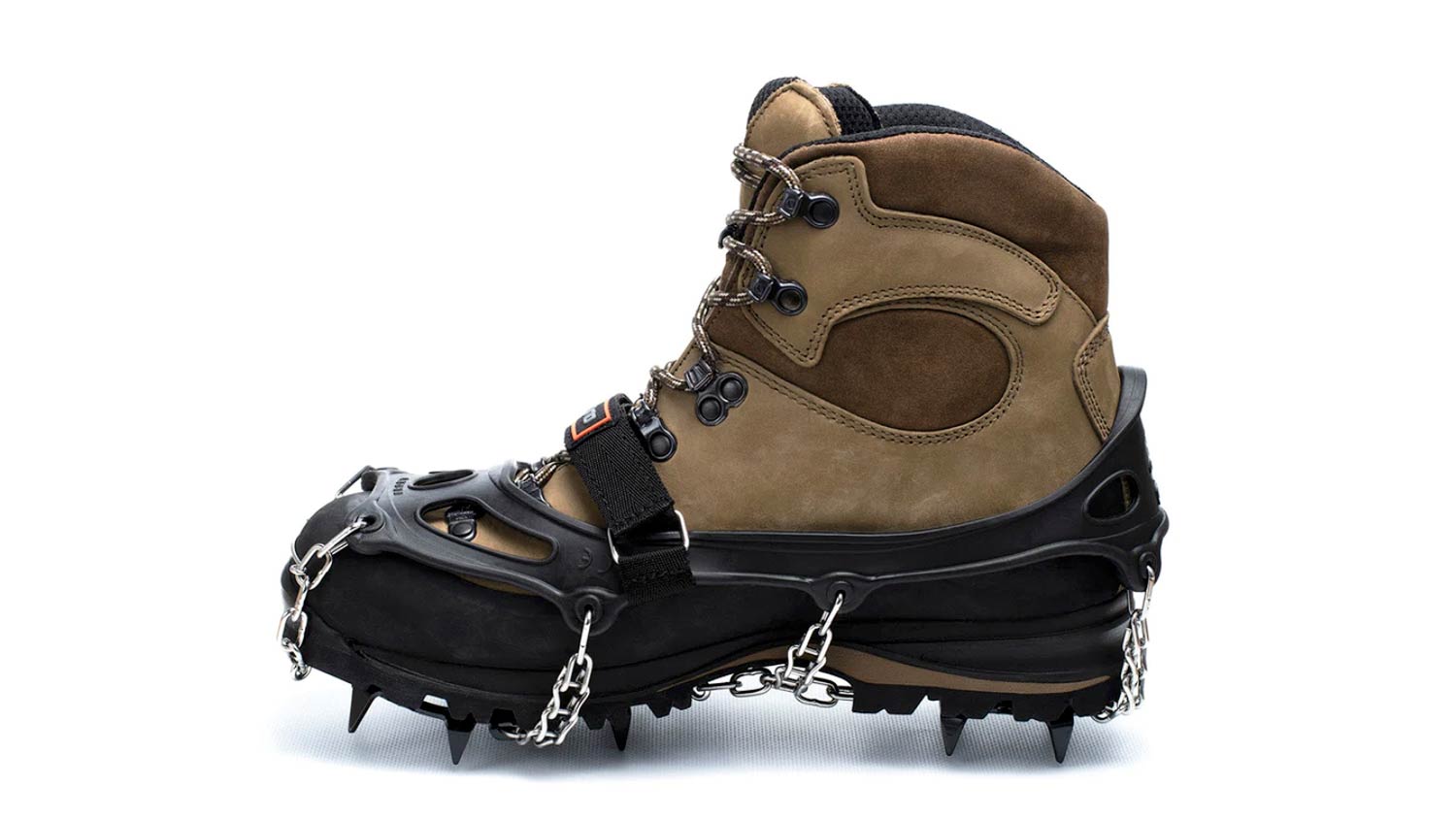
One of the most important safety tips is to think a few steps ahead. And by that I mean to think about what could go wrong in the Canadian Rockies during winter season. Could you get stuck somewhere in a snow bank? Always bring a shovel and/or traction aids! Could your vehicle have mechanical issues? Bring at least one warm blanket to keep you warm while waiting for help… Bring a couple candles. As funny as this may sound, if you have to wait for a while inside your car, candles can generate enough heat to keep you a bit warmer and kill some humidity. This could be a game changer in emergency situations!
DANGERS ASSOCIATED WITH WINTER PHOTOGRAPHY
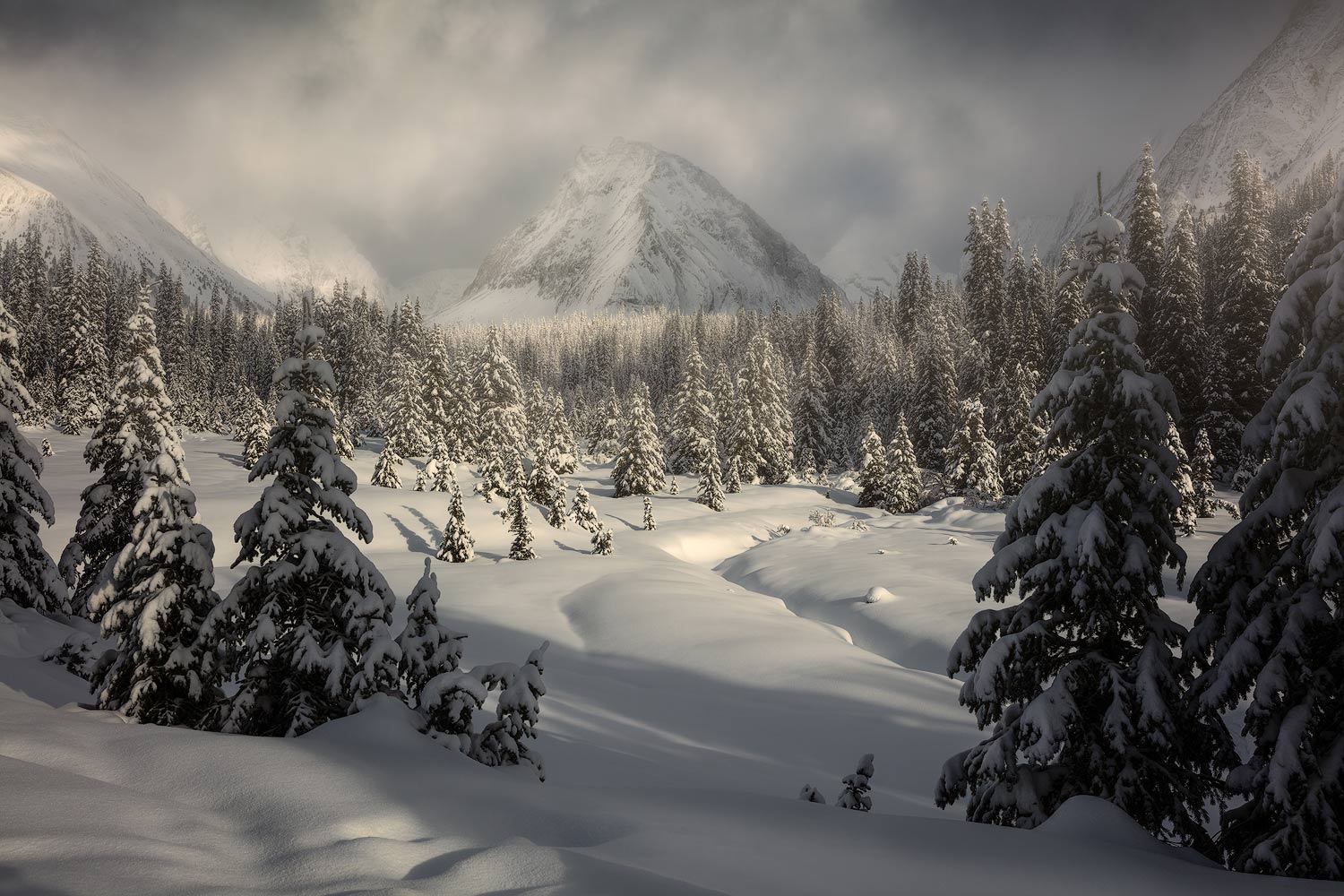
As much as I love winter, there are many dangers associated with winter photography. Dangers of freezing toes or fingers, make sure to listen to your body! If you are too cold, try to warm up by simply moving or go back to your vehicle for a while. A picture isn’t worth a finger or two! Dangers of avalanches…look for warnings at ranger stations. Avalanches will most likely kill you if you get covered with snow. If for any reason you don’t feel comfortable doing something, just don’t do it! Being afraid doesn’t mean being weak!
WALKING ON WATER
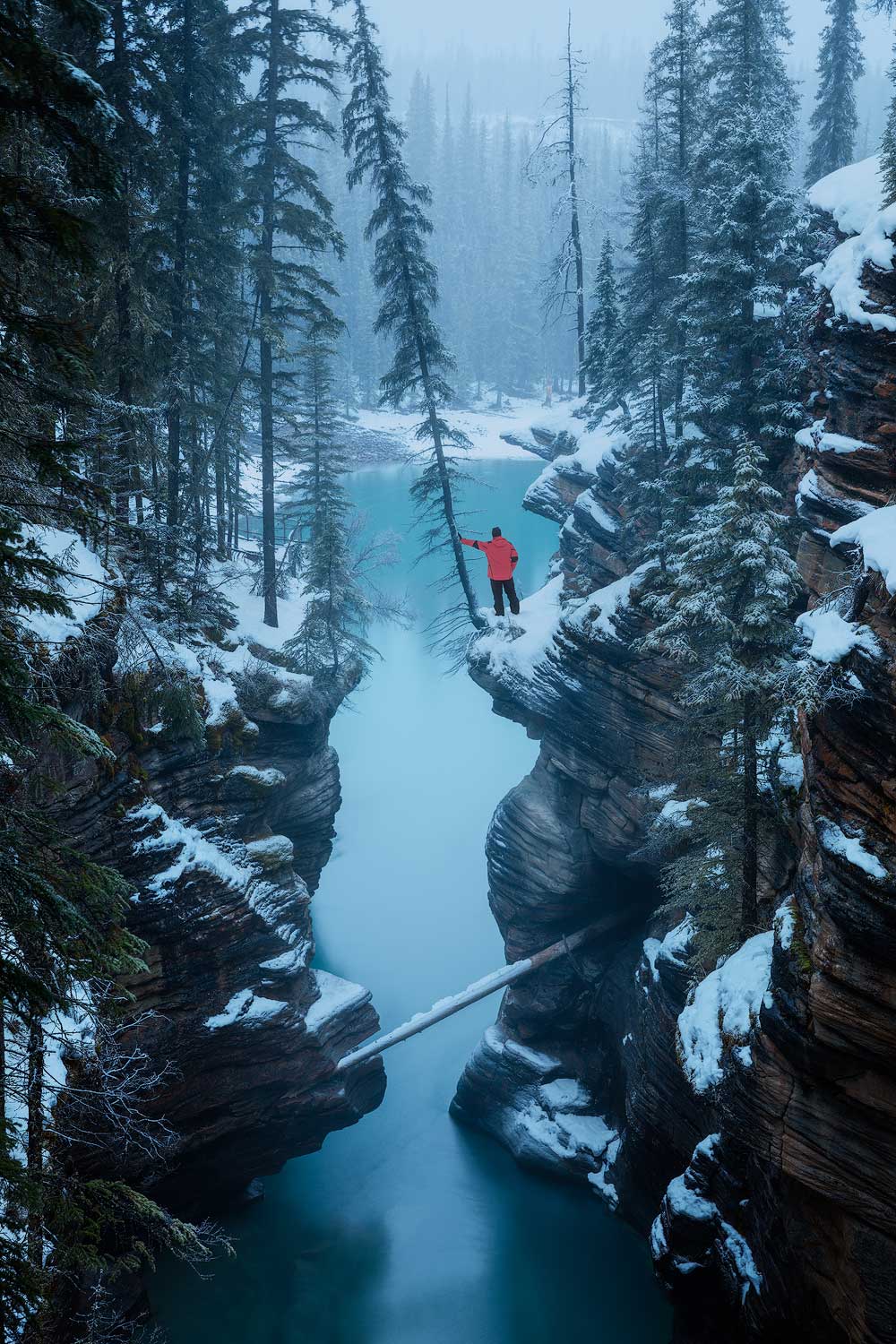
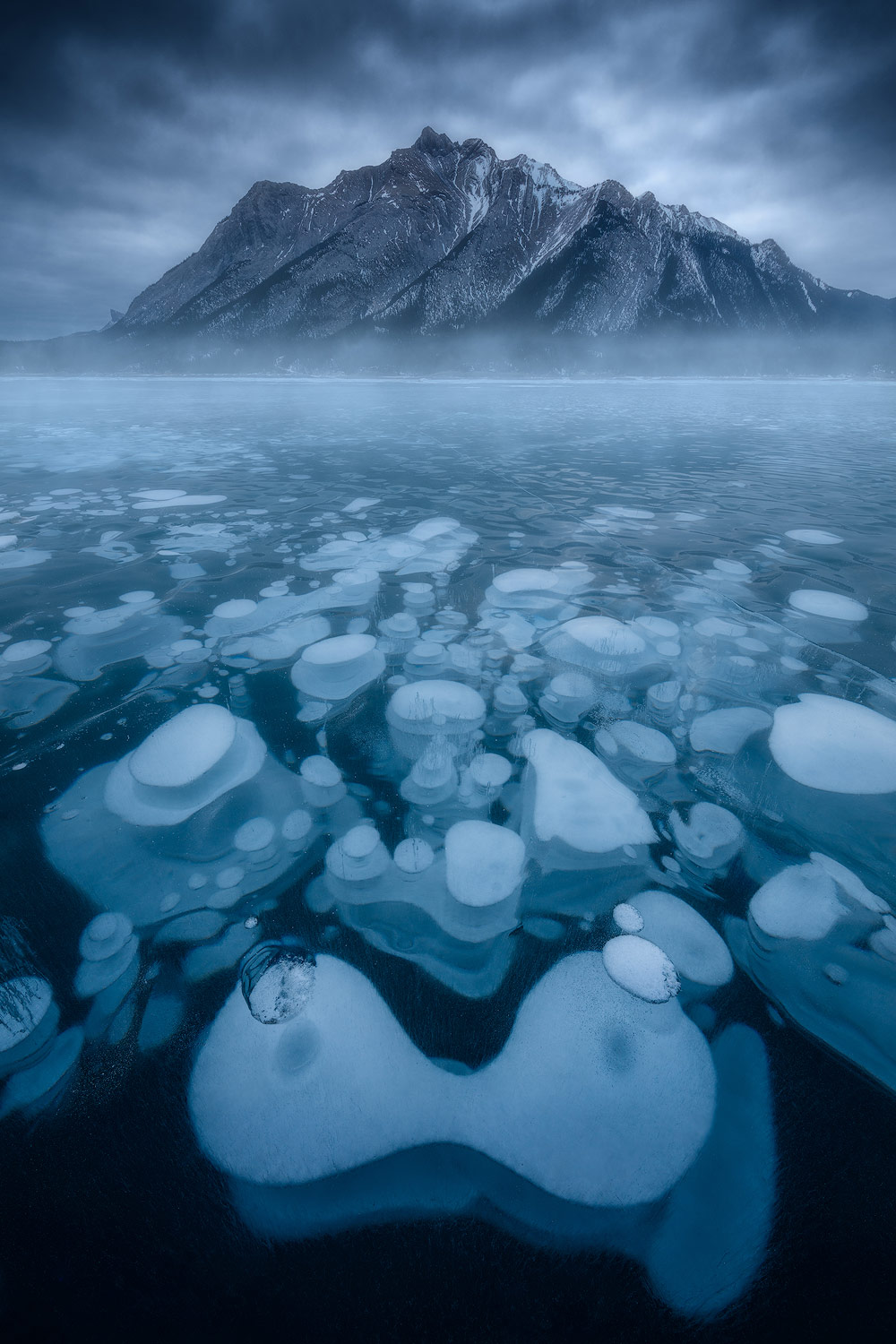
Dangers of walking on ice…as fun as walking on water or more specifically a frozen lake is, the ice must be thick enough! Ideally, you need at least 15cm for a safe-ish experience. How to evaluate the thickness of ice is pretty simple…first spot a crack or an arrangement of superposed methane bubbles and this will give you a better three dimensional idea of how thick the ice actually is. If the ice underneath you isn’t solid enough and you go through it, the final output could result in hypothermia and possible death! You should be careful at all times when walking on ice…
USE THE PROPER HIKING GEAR
I have to admit that if I use the proper hiking gear, it makes things much easier! You should always carry your walking poles, snowshoes, and cleats with you. This will not only give you much more flexibility and freedom of movement, it will also ensure you don’t damage the trails. If you go off trail in deep snow, be careful near big pine trees. There could be some pine tree wells at the bottom of some of them and believe me, getting out of one of those wells is serious business!
...IN CONCLUSION
In conclusion, if you are well prepared, winter photography is so much fun! Hiking, snowshoeing and trekking in the Canadian Rockies Winter Wonderland is definitely one experience you’ll never forget. Would you want more tips about winter photography? Have a look at another article I wrote about Photographing Winter Wonderland!! CLICK HERE to read the article. I wish you all a wonderful Christmas Holiday Season!