More Camera Hacks And Field Tips
Going on an adventure with the primary goal of capturing the beauty of nature is something many of us truly enjoy doing on a regular basis. And for the most part, these adventures will often go smoothly…but in some situations, we might come across some hick ups and we simply don’t know what to do! What if we drop the tripod and it breaks…what should we do? As a former car mechanic, I have learned how to be resourceful over the years…the nature of my former career was to find solutions to problems!
A few months ago, I have written a similar article, Camera Hacks and Field Tips and many of you found the article to be useful for the everyday life of a landscape photographer and you wanted more tips so I decided to write a part 2 with even more practical and innovative tips.

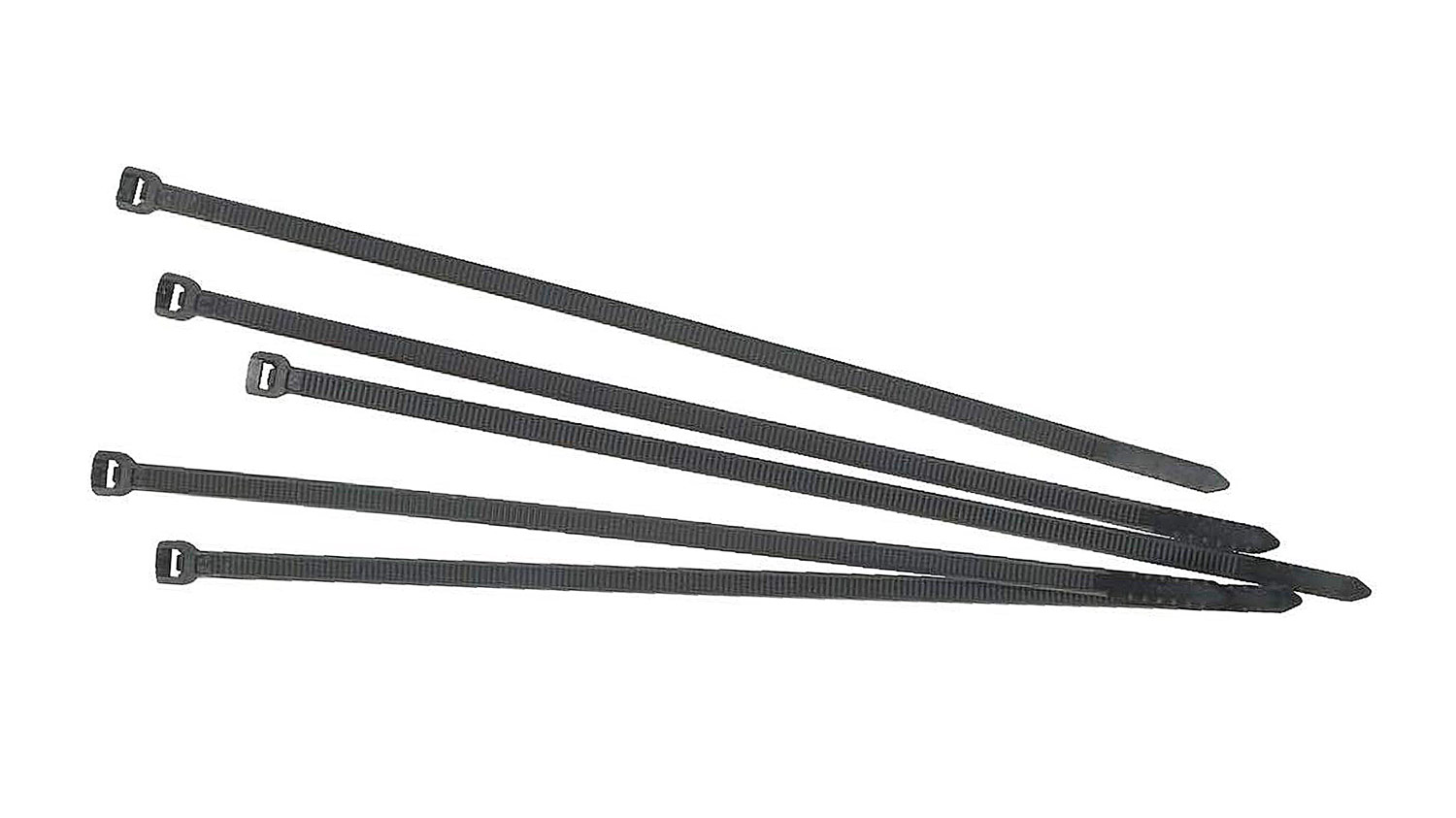
ZIP TIES
Zip Ties can seriously save us from many frustrating situations…I remember two years ago, I was on a trip in the Canadian Rockies and broke my cleats on the very first day. Like seriously? These couldn’t break when I was using them at home a couple of weeks prior…right? I visited all the nature stores in the area and I couldn’t find what I needed! All they had in stock were the cheap city journeyman type of cleats. Those aren’t good when you hike on steep terrain… So the car mechanic in me resurfaced and I fixed my cleats with two Zip Ties! Yes, I am dead serious! And it lasted the whole trip! So for the amount of space a couple of zip ties will take in your camera bag, you should definitely bring a couple…just in case!
HAVING THE RIGHT TOOL
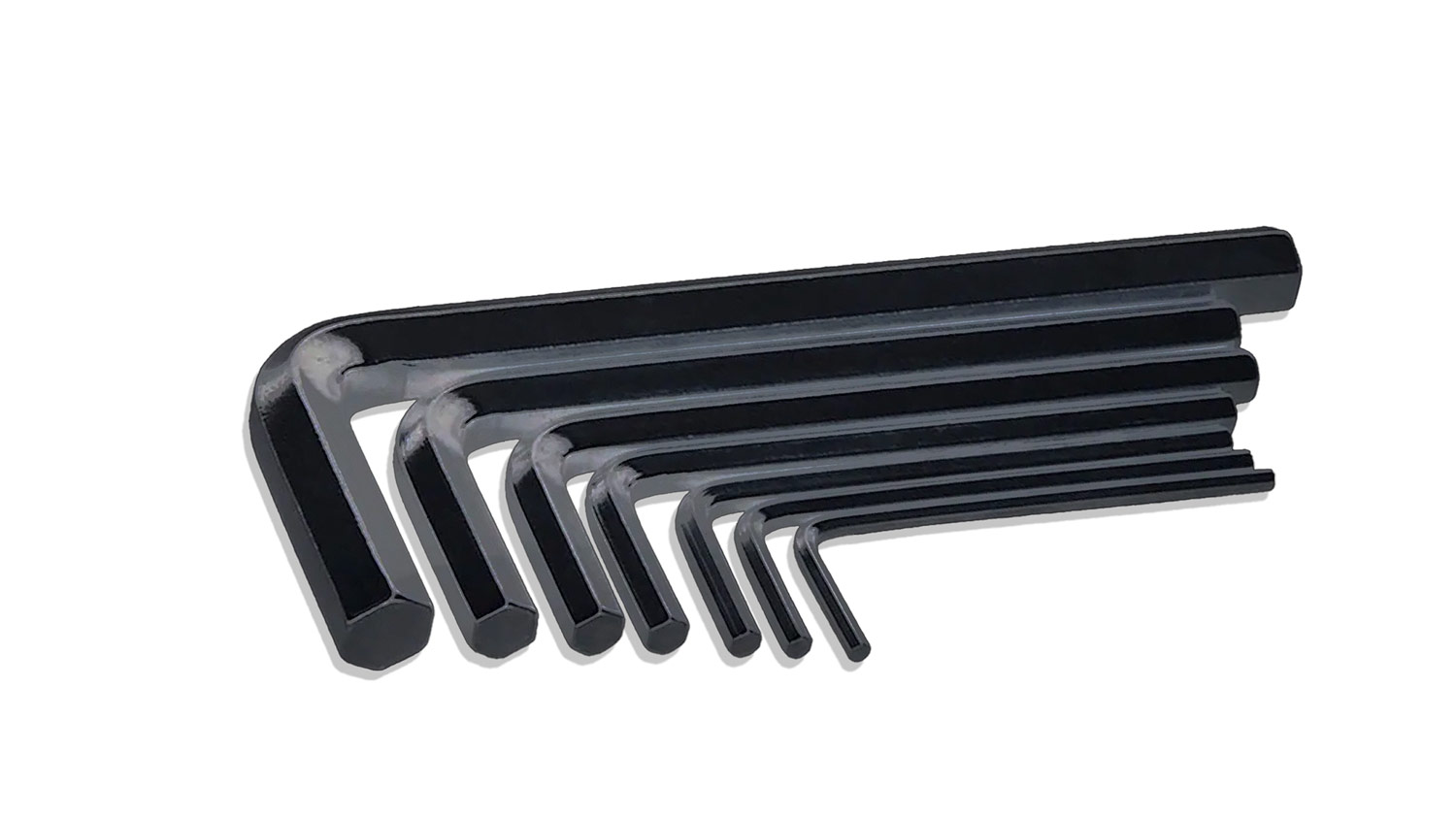
Ok…let me specify what I mean here…don’t bring a whole open end wrench set with a bunch of sockets and a ratchet. What I mean by a Tool Kit is just to bring a couple Allen keys to retighten anything that could come loose on your tripod or if your camera’s L-Bracket loosens up. And in most situations, when you buy a tripod and an L-Bracket, it will very likely come with a couple of those Allen keys. Are you afraid to loose them? Fit them all in a small empty pill bottle!
GAFFER TAPE
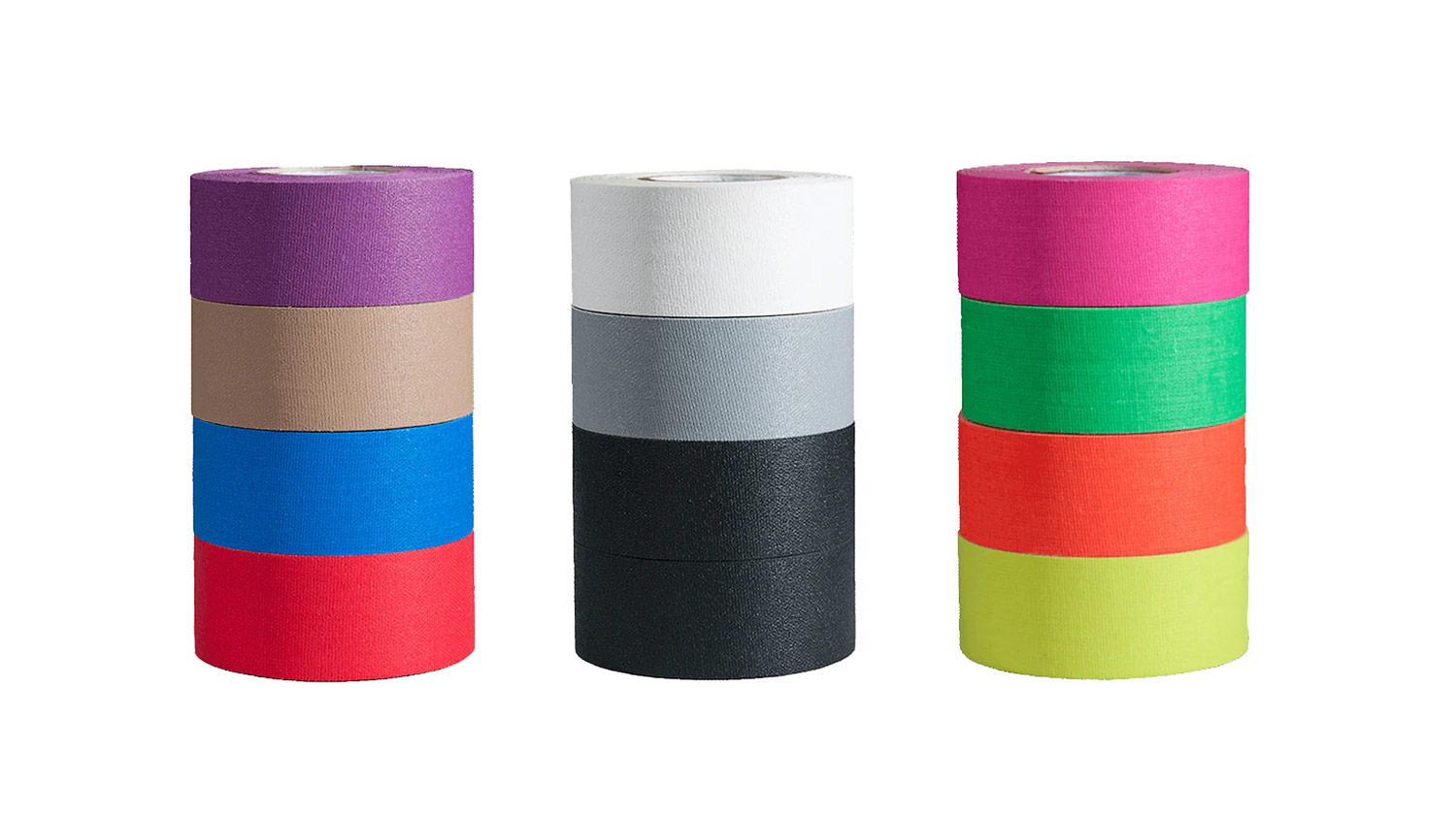
Proper photography Gaffer Tape can be useful for just anything! Whether you rip your camera bag or break a tripod leg tube…gaffer tape can save the shoot! What’s fun about Gaffer Tape is that it won’t leave any glue residue. Another type of tape that works well in very cold weather is good old hockey stick tape. Hockey stick tape will leave glue residue but I guess it’s better than no tape at all in some situations.
Now I understand that you probably don’t want to carry an entire roll of gaffer tape in your camera bag…do you remember that empty pill bottle I was talking about earlier? You can roll some tape around it and use the pill bottle as a core. This could help you save space inside your camera bag. Multitasking for the win!
PERSONAL CHARGING STATION
If you have a limited amount of spare batteries, you can always carry a small battery bank and a USB battery charger in your camera backpack. This setup will allow you to charge a battery inside your camera bag while you are shooting with another one. Oh…many of the most recent cameras can be charged from the USB port too so you can charge while shooting.

KEEP IT WARM
Nothing is more frustrating than having a beautiful sunrise happen right in front of you and not be able to capture it because your lens has condensation build up between two elements. Ask me how I know! There is one accessory available on the market that might make a huge difference if this happens to you. Many companies make camera lens warmers and they work! Not only do they work, they also work fast! How they work is simple: You wrap it around your lens and plug it to a portable battery bank. So that battery bank mentioned in the previous paragraph automatically has a second way to be used!

NO DIRT ON MY BAG
The nature of landscape photography forces us to put our bag on the ground often…this will eventually get the bag pretty dirty. And I hate to clean dried mud or dirt on my bag. My good friend Gina Yeo has the cutest solution in the world to prevent getting her bag dirty. She has a small foldable Gore-Tex sheet that she spreads on the ground before she puts her camera bag down. For some reason, that makes so much sense but I never thought of it! Another solution is to put the rain cover on your camera bag. That’s what I would normally do before I learned about Gina’s hack…
KEEPING MY FEET DRY
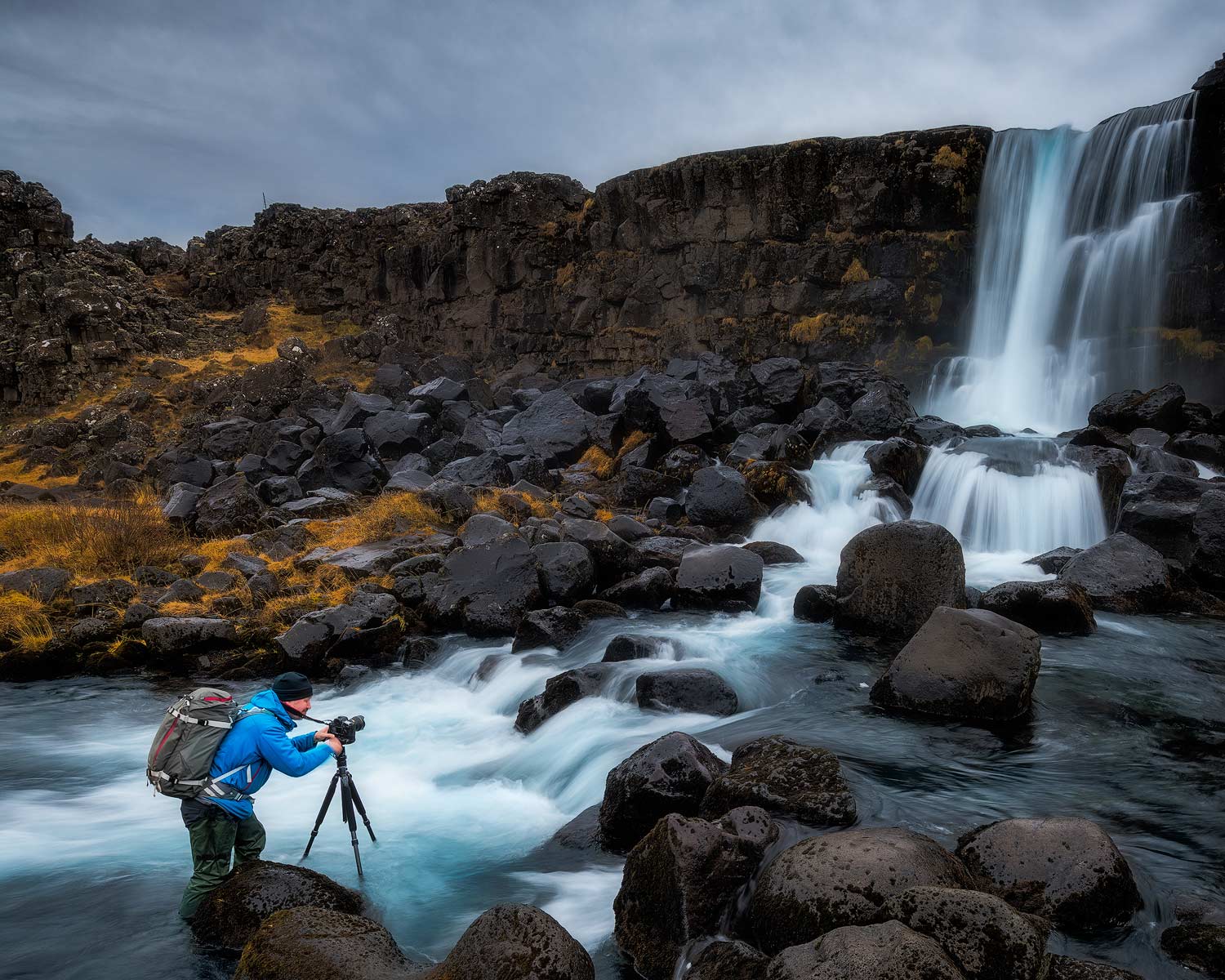
I’m sure it won’t come as a surprise if I tell you that I love to do long exposures near water. I often go into rivers and lakes in order to give myself the most freedom of composition as possible. But I truly hate to get my feet wet. And especially during the winter season! I almost always carry lite waders in my camera bag. They are made just like a rubber boot but also have some nylon extensions glued to them and they allow me to concentrate on my composition without the worry of falling into the water. They aren’t insulated so I made sure to buy one size bigger than I actually needed so I can put on an extra pair of socks during those colder winter days.
THE RIGHT TRIPOD LUBRICANT
I must be 100% clear here…I do not lubricate my tripod’s leg tubes. You don’t want any lubricant on them because dirt and contaminants will stick to them and the tripod will be a pain to use after. But I do want to use lubricant on my tripod adjuster nuts. To be more specific, I use Crysto Lube. Crysto Lube is water resistant and doesn’t freeze. I was also told that it’s the type of grease used on scuba diving manometer fittings.
That grease is expensive but does not freeze. That ensures the tripod adjuster nuts will be functioning even during the harshest cold of winter. Do not use any other type of lubricants on those adjuster nuts because almost every grease thickens when the temperature drops and you won’t be able to operate the tripod anymore. Once again, ask me how I know! As a former car mechanic, I have access to every possible type of grease known to man and I have tried them all!

…IN CONCLUSION
In conclusion, the important thing is to have a solution when you run into any problems away from home. To be forced to go back home because of equipment failure is very frustrating. Maybe I can save your trip with one of these tips. Please let me know if this helped you! And if you have some tips you’d like to share with me, please let me know and I could share them with the rest of my audience!